Mango Sago Recipe
Table of Contents
A Cooling Hong Kong Dessert Built Around Fresh Mango
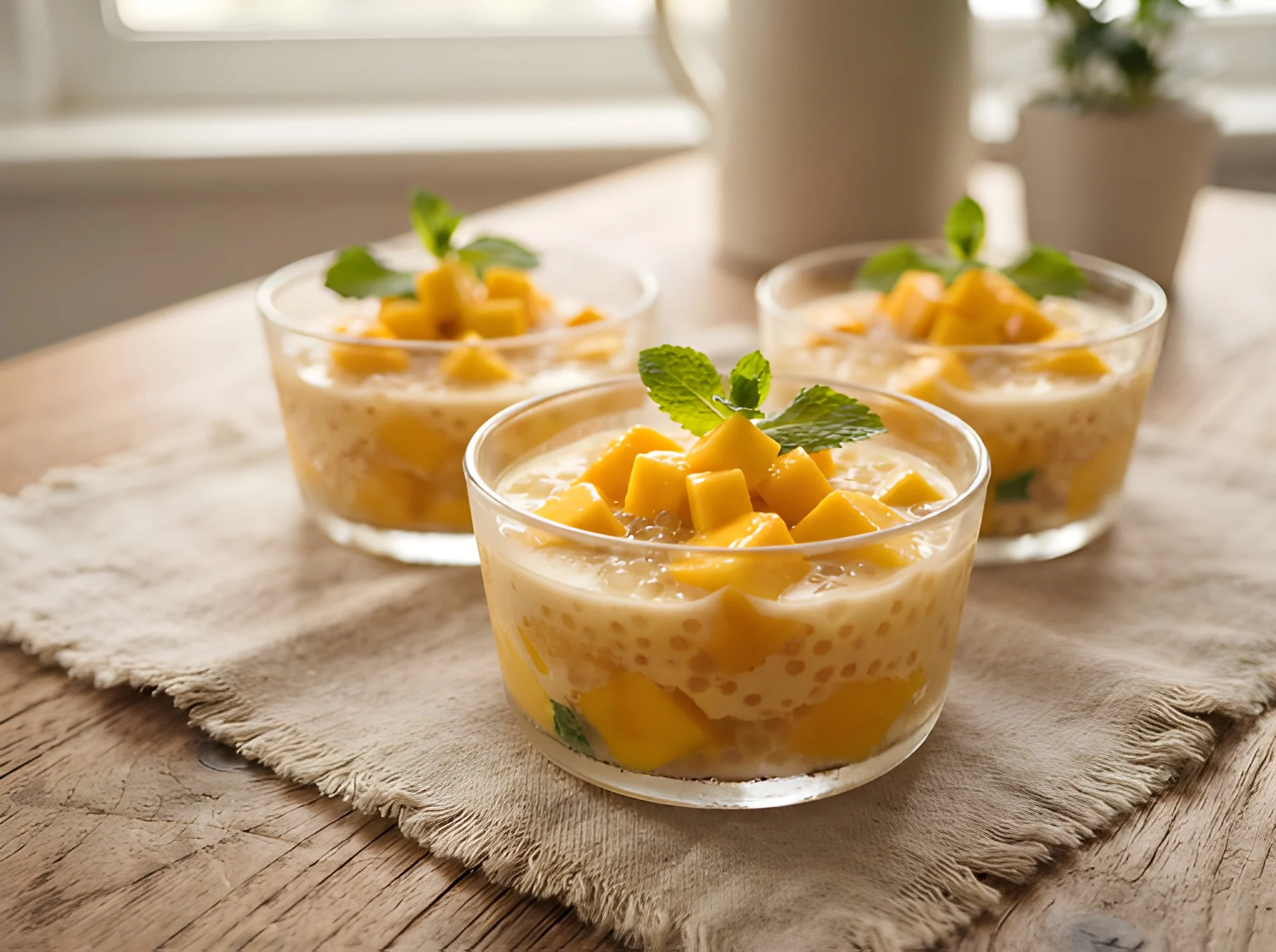
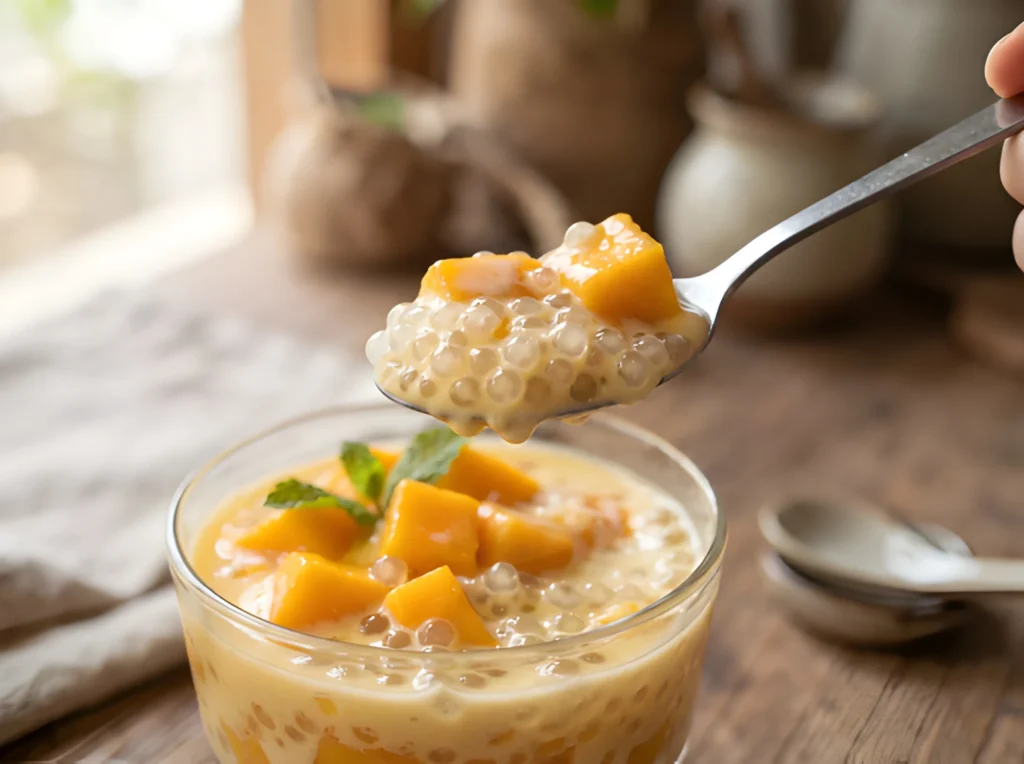
Mango sago is one of the most beloved cold desserts in Cantonese cuisine, a refreshing combination of fresh mango, chewy sago pearls, and a creamy, coconut-milk-based liquid, often served chilled as the perfect ending to a meal or a hot summer day treat. This mango sago recipe walks through the classic preparation, delivering that same cooling, fruity dessert found in Hong Kong dessert shops and Cantonese restaurants.
This dessert is widely believed to have originated in Hong Kong, becoming a staple of Cantonese dessert culture sometime in the latter half of the 20th century, something Saveur has written about when covering the rise of Hong Kong-style dessert shops and their distinctive cold, fruity treats. this recipe quickly became one of the most recognizable and beloved desserts within that broader dessert shop tradition, prized for its light, refreshing quality compared to heavier, baked desserts.
Sago pearls themselves, despite looking similar to tapioca pearls, are actually derived from the sago palm plant, and The Woks of Life has explained the distinction clearly, noting that while tapioca pearls have become a more common substitute in many modern recipes due to easier availability, true sago pearls have a slightly different, though similar, chewy texture once cooked.
Getting the sago texture right comes down to proper cooking and rinsing technique. Serious Eats has written about cooking starchy pearls broadly, explaining that rinsing cooked pearls under cold water after boiling helps remove excess surface starch, preventing them from clumping together into a sticky mass once cooled.
For those wanting an even more elaborate version, mango pomelo sago adds segments of pomelo, a large citrus fruit, into the mix, a variation Bon Appétit has covered when discussing popular Hong Kong dessert combinations, noting that the pomelo’s slight bitterness and juicy texture provides a nice contrast against the sweetness of the mango and coconut base.
Whether you’re making the classic recipe or want to try the mango pomelo sago variation, this refreshing, creamy dessert delivers that same light, tropical flavor found in Hong Kong dessert culture.
Why You’ll Love This Recipe
This mango sago recipe delivers that same light, refreshing, tropical flavor found in Hong Kong dessert shops, using accessible ingredients you can find at most well-stocked grocery stores or Asian markets.
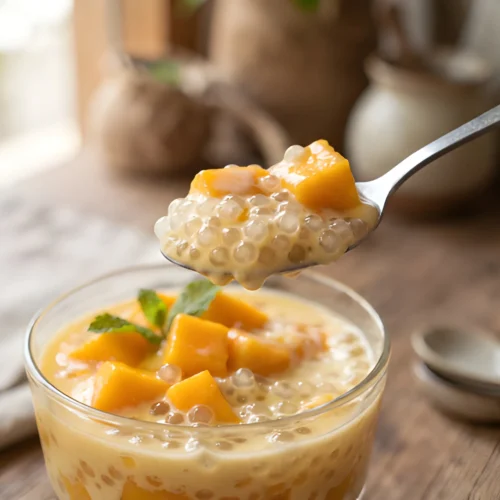
The combination of chewy sago pearls, fresh mango, and a creamy coconut-milk base creates a satisfying textural contrast in every spoonful.
This dessert is easy to make ahead and chill, making it a great make-ahead option for hot days or as a light finish to a larger meal.
What to Serve Mango Sago With
This dessert is often enjoyed on its own as a light, cooling treat, especially after a heavier meal.
Serving it alongside other Cantonese dim sum dishes rounds out a full Cantonese-style dining experience.
For a fun twist, this same base can be enjoyed more like a mango sago drink, served with a straw for sipping alongside the sago pearls and mango pieces.
How This Mango Sago Recipe Comes Together
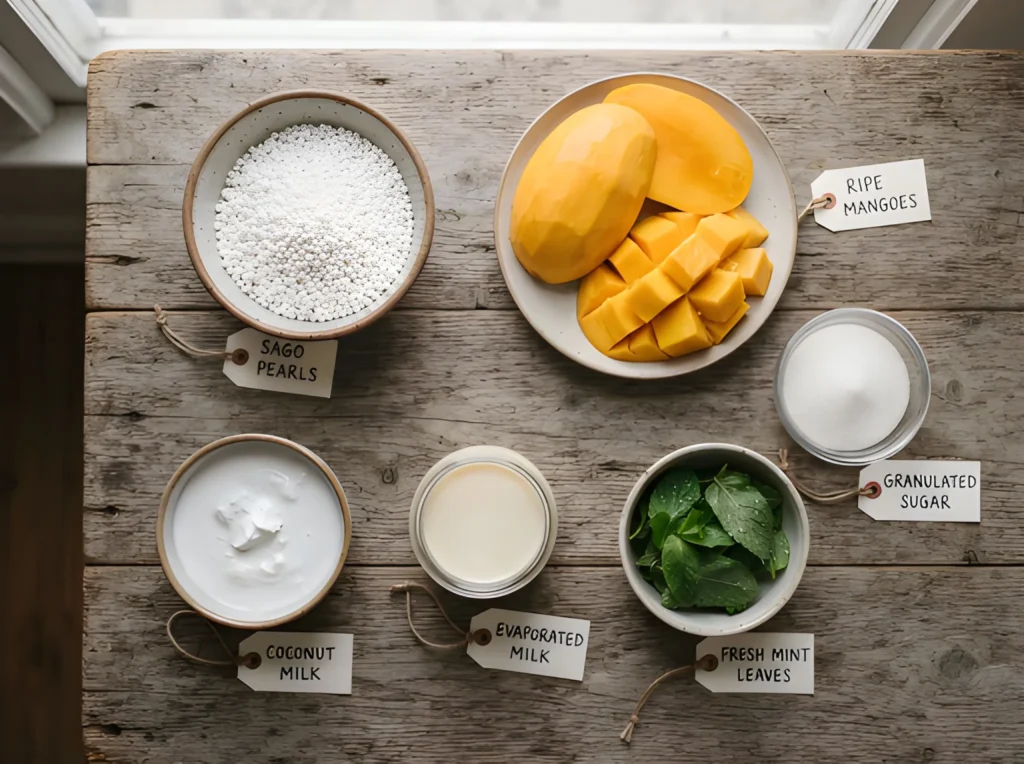
This recipe comes together in two main stages: cooking and rinsing the sago pearls until tender and chewy, then blending part of the fresh mango into a smooth base and combining everything with coconut milk before chilling. Here’s everything you’ll need.
Mango Sago Recipe
Mango Sago Recipe

Equipment
- Medium saucepan
- fine mesh strainer
- Blender
Ingredients
- ½ cup small sago pearls
- 4 ripe mangoes peeled and diced, divided
- 1 cup coconut milk
- ½ cup evaporated milk or a dairy-free alternative, see notes
- ¼ cup granulated sugar or to taste
- 1 cup cold water
- Fresh mint leaves for garnish
Instructions
Cook the Sago Pearls
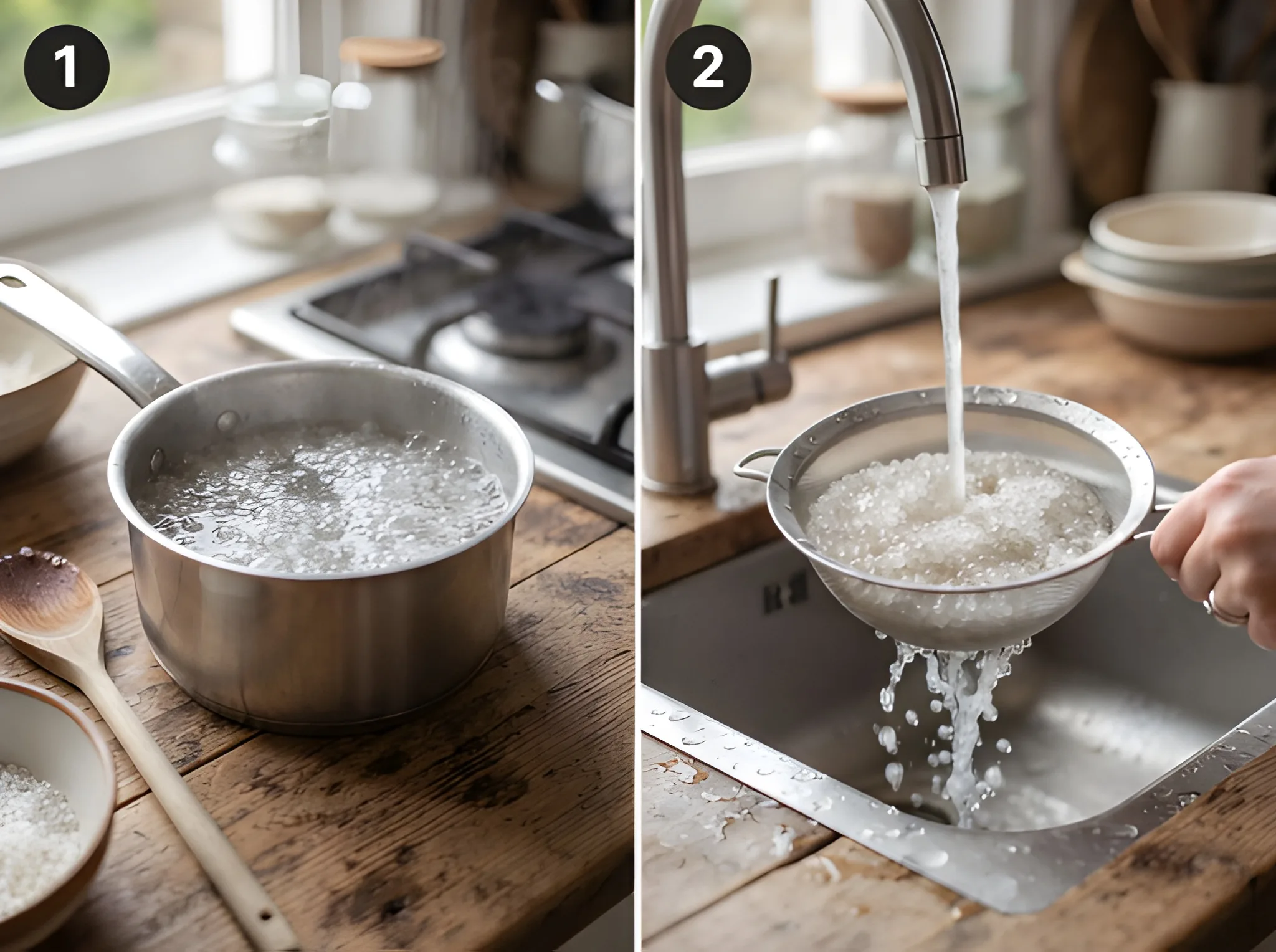
- Bring a medium pot of water to a boil and add the sago pearls, stirring occasionally to prevent them from sticking together. Cook for 10-12 minutes, until the pearls turn mostly translucent with just a small white dot remaining in the center.
- Remove from heat, cover, and let the sago sit for an additional 5 minutes, which allows the residual heat to finish cooking through the center of each pearl. Drain and rinse thoroughly under cold running water, using a fine mesh strainer, until the pearls are no longer sticky and have cooled down.
Blend the Mango Base
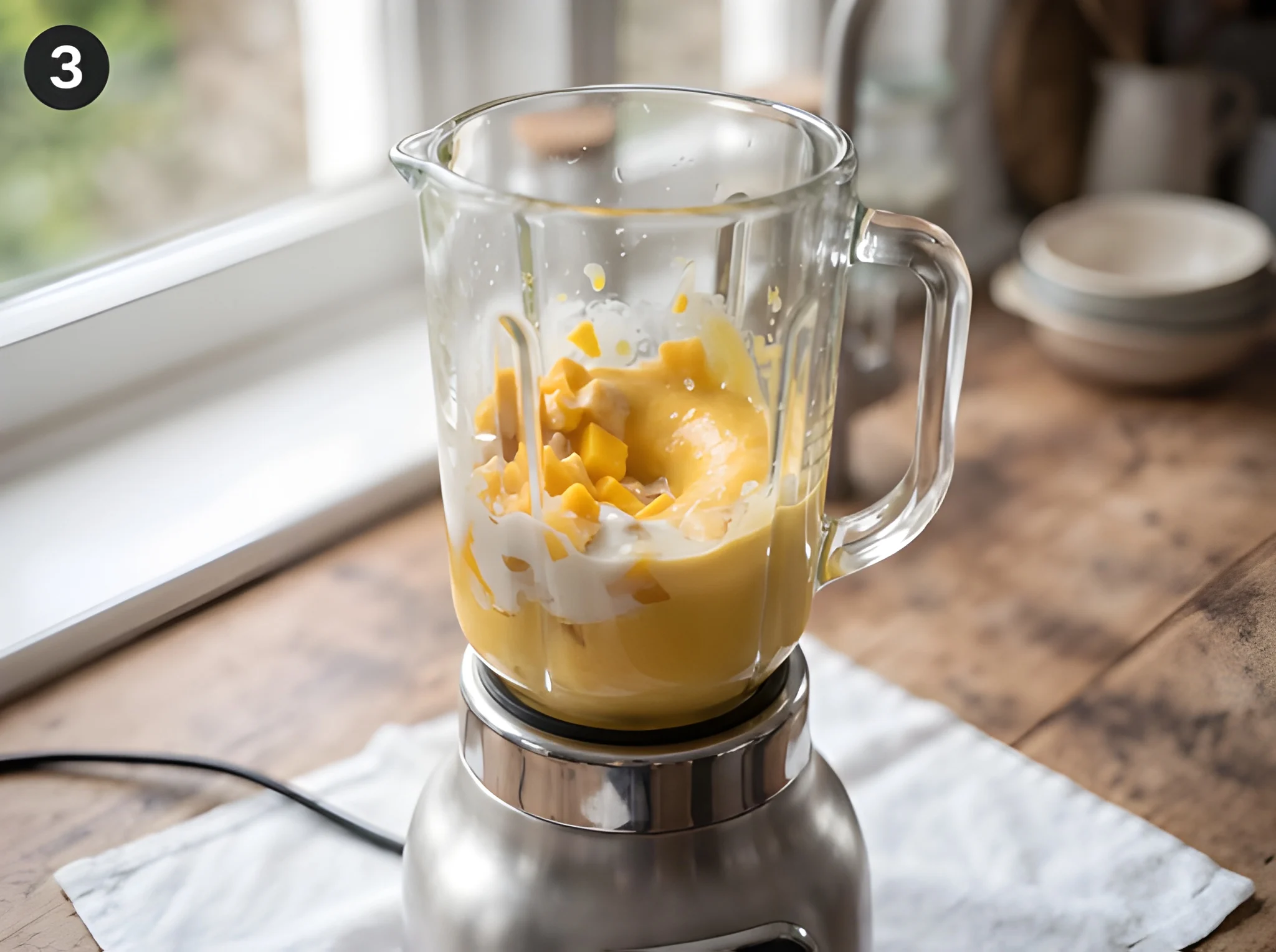
- In a blender, combine about half of the diced mango with the coconut milk, evaporated milk, sugar, and cold water, blending until completely smooth.
Combine and Chill
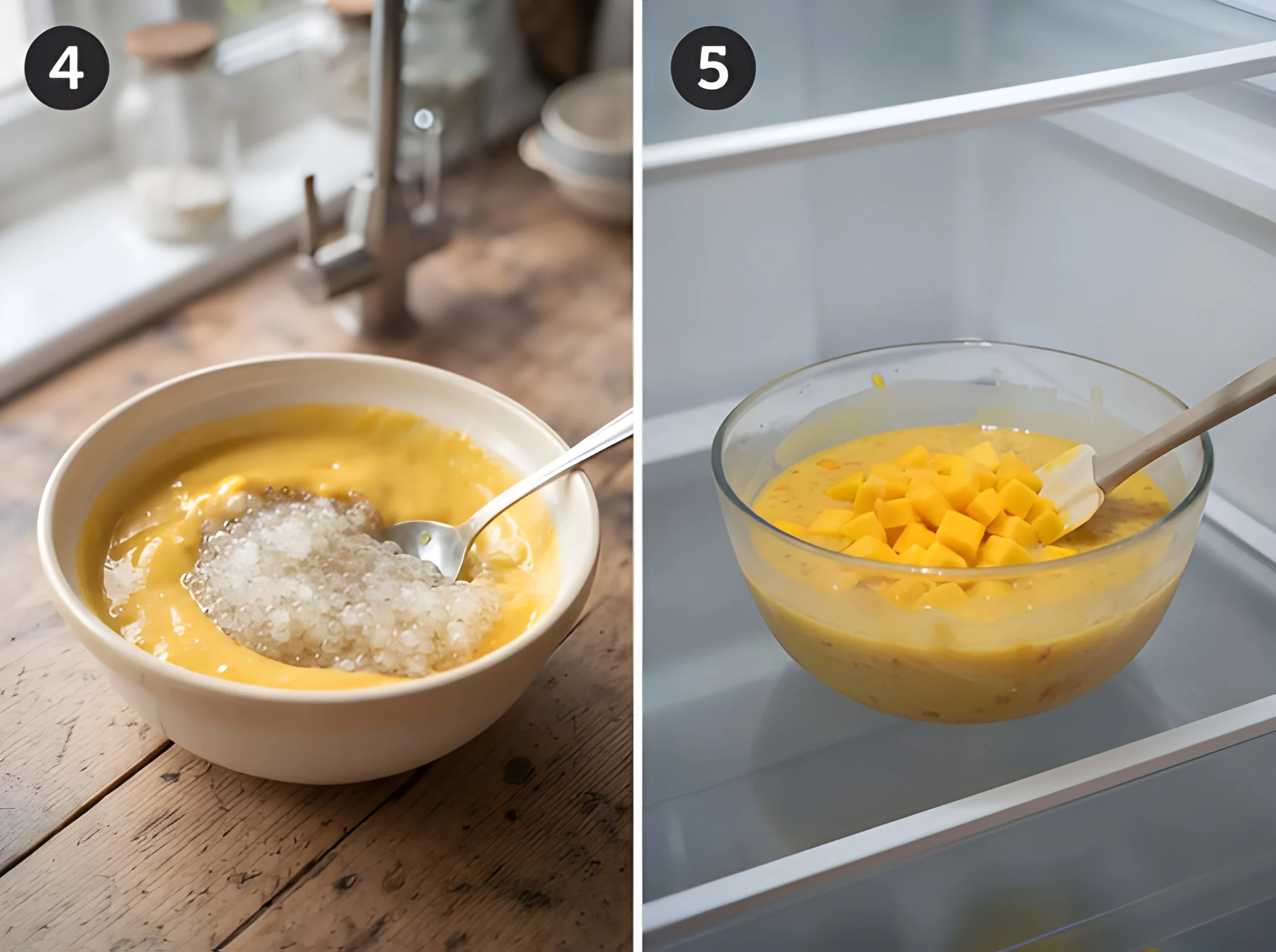
- In a large bowl or individual serving cups, combine the cooked sago pearls with the blended mango mixture, stirring to combine.
- Fold in the remaining diced mango pieces, reserving a few for garnish if desired. Refrigerate for at least 2 hours, or until completely chilled.
Notes
- Rinsing the cooked sago pearls thoroughly under cold water is essential for preventing them from clumping together into a sticky mass, so don’t skip this step even though it takes a few extra minutes.
- Using very ripe, sweet mangoes makes a noticeable difference in the final flavor of this dessert, since underripe mango can taste overly tart and won’t blend as smoothly.
- For a dairy-free or mango sago vegan version, coconut cream can replace the evaporated milk entirely, giving a similarly rich, creamy texture without any dairy.
- This dessert genuinely tastes best after a few hours of chilling, allowing the flavors to meld and the mixture to reach the right cold, refreshing temperature.
- Leftovers keep well in the refrigerator for up to 2 days, though the sago pearls may firm up slightly over time.
Frequently Asked Questions
Is mango sago recipe naturally vegan, or does it require adjustments?
Traditional mango sago typically includes evaporated milk, which isn’t vegan or dairy-free. For a vegan version, simply replace the evaporated milk with an equal amount of coconut cream or a plant-based milk alternative, which keeps the creamy texture intact without any dairy.
What’s the difference between mango sago and mango pomelo sago?
Mango pomelo sago includes segments of pomelo, a large citrus fruit similar to grapefruit but milder and less bitter, added alongside the mango and sago. This variation adds a juicy, slightly tangy contrast to the sweetness of the mango and creaminess of the coconut base.
Can I use tapioca pearls instead of sago pearls for this recipe?
Yes, tapioca pearls have become a common substitute for true sago pearls, since they’re more widely available and have a similar chewy texture once cooked. The cooking time may vary slightly depending on the size of the tapioca pearls used.
How do I keep my sago pearls from clumping together?
Rinsing the cooked pearls thoroughly under cold running water immediately after cooking and draining is the most effective way to remove excess surface starch and prevent clumping. Stirring occasionally while they cook also helps reduce sticking during the cooking process itself.
Can I turn this into a mango sago drink instead of a spoonable dessert?
Yes, simply thin out the blended mango mixture with a bit more water or coconut milk to reach a drinkable consistency, then serve it in a glass with a wide straw so you can enjoy both the liquid and the sago pearls and mango pieces together.
What are the essential mango sago ingredients I need before starting?
At minimum, you’ll need sago pearls, ripe mangoes, coconut milk, and a sweetener, with evaporated milk being a common traditional addition for extra creaminess. Beyond that, the recipe is fairly flexible depending on dietary preferences and desired variations.
How long does mango sago keep in the refrigerator?
Stored in an airtight container, mango sago keeps well for up to 2 days, though the texture of the sago pearls may become slightly firmer the longer it sits. It’s best enjoyed within the first day or two for the ideal texture.
Can I make mango sago without coconut milk?
Yes, you can substitute coconut milk with evaporated milk, regular milk, or a plant-based milk of your choice. The flavor and creaminess will vary slightly depending on the substitute.
What type of mango is best for mango sago?
Use ripe, sweet mangoes with a smooth, juicy texture, such as Ataulfo or Alphonso mangoes. Avoid mangoes that are overly firm or sour, as they can make the dessert less creamy and sweet.
Can I prepare mango sago ahead of time?
Yes, this recipe can be prepared a few hours ahead and chilled in the refrigerator until ready to serve. For the best texture, add any fresh mango pieces shortly before serving.
Twists & Ideas
You Can Add
Pomelo segments folded in alongside the mango, as mentioned in the FAQ, create a full mango pomelo sago variation with a nice citrus contrast.
A drizzle of condensed milk over the top right before serving adds an extra layer of sweetness and richness for those who enjoy it.
Fresh passionfruit pulp stirred in adds a tart, tropical brightness that pairs beautifully with the sweet mango base.
A few tapioca pearls or grass jelly cubes mixed in alongside the sago add extra texture variety throughout the dessert.
You Can Replace
Coconut cream can replace evaporated milk, as mentioned in the FAQ, for a mango sago vegan and dairy-free version of this dessert.
Tapioca pearls can replace sago pearls, as covered in the FAQ, if that’s what’s more readily available at your local grocery store.
Honey or agave can replace granulated sugar for a different, more natural sweetness throughout the dessert.
Frozen mango, thawed, can replace fresh mango in a pinch, though fresh, ripe mango generally gives the best flavor and texture.
Recipes You May Enjoy
- Baklava Recipe
- Japanese Cheesecake Recipe
- Onigiri Recipe
- Apple Cinnamon Bread Recipe
- Brigadeiro Recipe
- Arroz con Leche
- No Bake Biscoff Cheesecake
- Mexican Flan
A Cooling Treat Worth Keeping in Your Rotation
Mango sago captures everything wonderful about Hong Kong-style desserts: light, refreshing, and satisfying without being heavy or overly rich. Between the chewy sago pearls, sweet fresh mango, and creamy coconut base, this dessert delivers that same cooling, tropical experience found in Cantonese dessert shops.
Whether you’re making the classic recipe, trying the mango pomelo sago variation for something a little more elaborate, or turning this into a mango sago drink for easy sipping, this dessert delivers consistently refreshing, flavorful results every time. Once you’ve gathered the right ingredients and gotten comfortable with the sago pearl technique, this becomes a dessert worth making again all summer long, or any time you’re craving something light and tropical.
Tried This Recipe? Leave a Review!
There are no reviews yet. Be the first one to write one.