Cannoli Recipe
Table of Contents
Sicily’s Iconic Fried Pastry, Made From Scratch
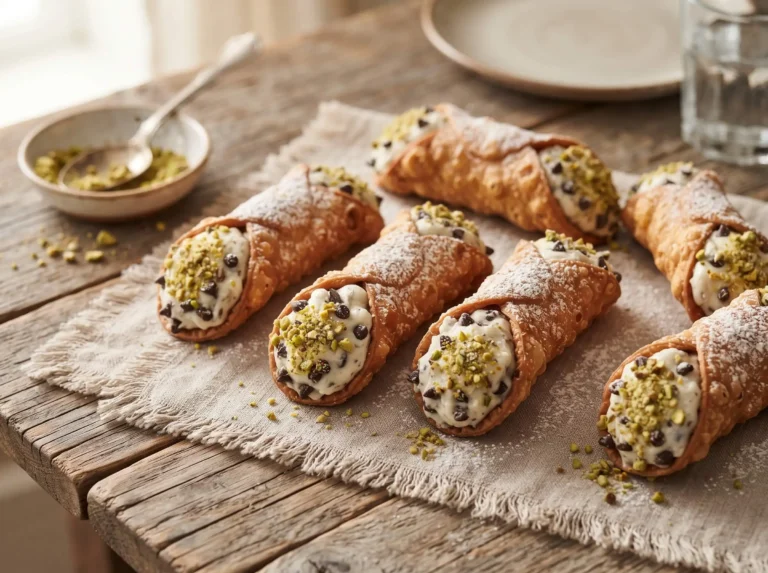
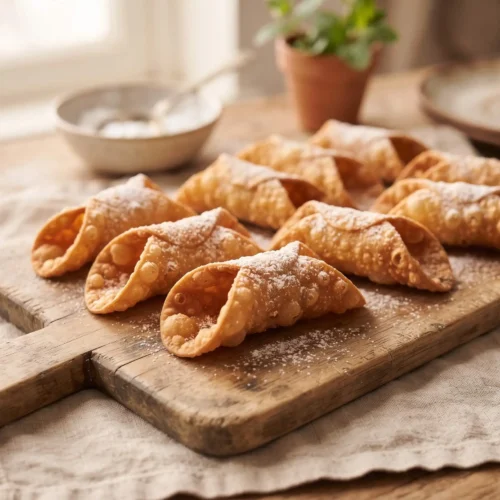
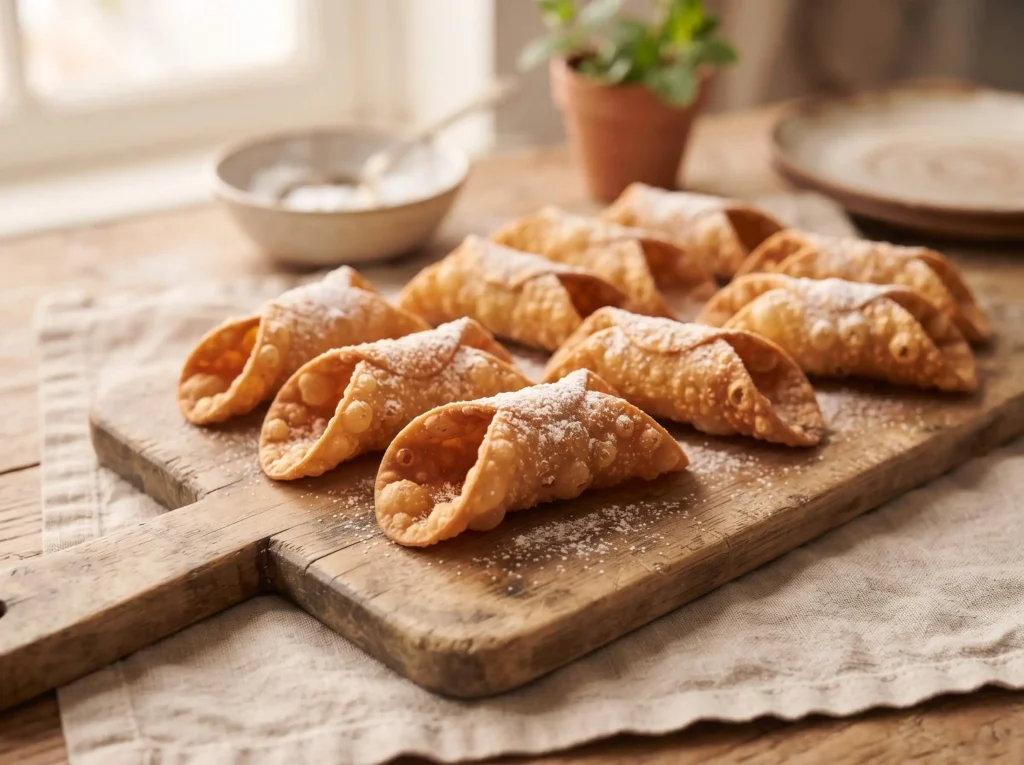
Cannoli are among the most recognizable desserts in Italian cuisine, instantly identifiable by their crisp, fried shells and creamy filling piped in right before serving. This cannoli recipe walks through making those shells from scratch, giving you that same satisfying crunch found in authentic Italian bakeries.
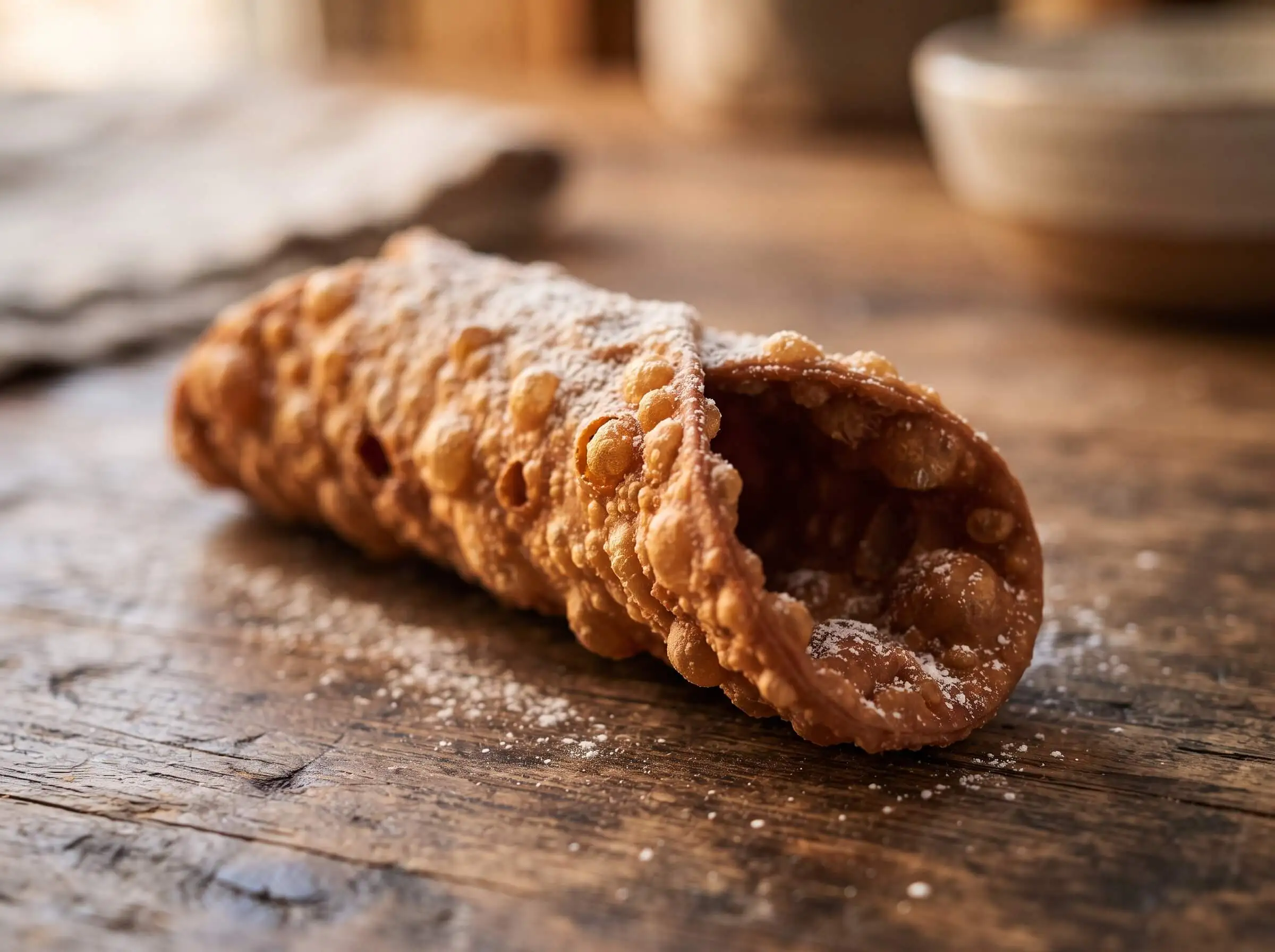
Cannoli originated in Sicily, with roots tracing back centuries to Sicilian pastry-making traditions, eventually becoming one of the most iconic desserts associated with Italian cuisine worldwide, something Smithsonian Magazine has written about when covering the deep culinary history behind Sicily’s most famous sweets. An authentic Italian cannoli recipe traditionally involves rolling the dough around metal tubes, then deep-frying until the shells turn golden and blistered, developing that signature crisp texture.
Getting the shell texture right in any cannoli recipe traditional to Sicily depends heavily on how the dough is handled. Serious Eats has written about fried pastry dough broadly, explaining that resting the dough allows the gluten to relax, making it much easier to roll thin without tearing, which directly affects how crisp and delicate the finished shells turn out.
Many traditional recipes call for wine, typically Marsala, mixed into the dough, which helps tenderize the shell and adds subtle flavor. For those looking for a cannoli recipe without wine, Bon Appétit has noted that a splash of white vinegar or even just extra water can serve a similar functional purpose in the dough, since the acidity helps with texture even without the flavor contribution wine would normally bring.
The filling itself, typically made from sweetened ricotta, is worth understanding on its own, and The Kitchn has pointed out that straining ricotta thoroughly before using it is essential, since excess moisture in the cheese can make the filling runny rather than thick and creamy. Since so many people search specifically for filling techniques and variations separately from the shell itself, we’ll be covering a dedicated ricotta filling recipe in more detail in a future post, so this cannoli recipe focuses primarily on getting the fried shell right.
Whether you’re after a cannoli recipe easy enough for a first attempt at Italian pastry-making or you want the full traditional experience, this recipe walks through exactly how to get that perfectly crisp, golden shell every time.
Why You’ll Love This Recipe
This cannoli recipe delivers that same crisp, blistered shell texture found in authentic Italian bakeries, made entirely from scratch in your own kitchen.
The dough comes together with simple pantry staples, and this version includes a cannoli recipe without wine option, making it accessible even if you’d rather skip that traditional ingredient.
Making cannoli shells yourself, rather than buying pre-made ones, gives you noticeably fresher, crispier results and lets you control exactly how thin and delicate the shells turn out.
What to Serve With Cannoli
A simple espresso or strong coffee is the classic pairing here, echoing how cannoli are traditionally enjoyed in Italian households and cafes.
A dusting of powdered sugar and a few mini chocolate chips pressed into the ends of the filled shells add a nice finishing touch don’t forget you’ll need the cannoli filling to actually fill these shells before serving.
For a dessert spread, serving cannoli alongside other Italian sweets like biscotti creates a beautiful, varied presentation.
How This Cannoli Recipe Comes Together
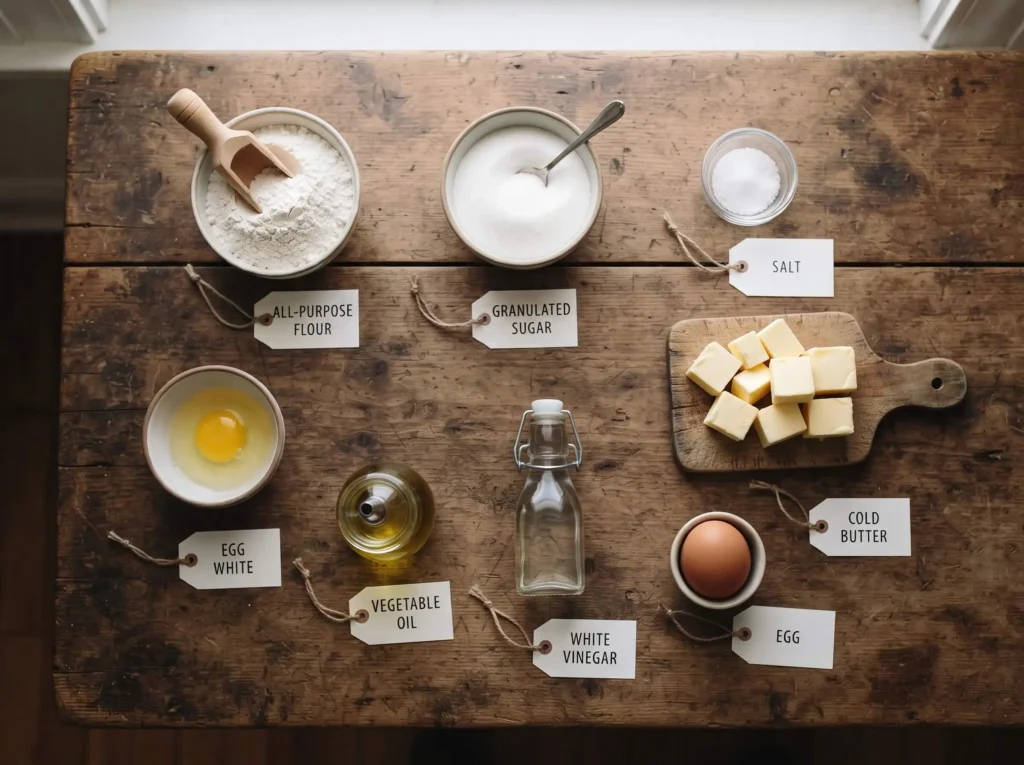
This recipe comes together in three main stages: making and resting a simple pastry dough, rolling it thin and wrapping it around cannoli tubes, then frying the shells until golden and crisp. Here’s everything you’ll need for the shells; a dedicated filling recipe will be covered separately.
Cannoli Recipe
Cannoli Recipe

Equipment
- Rolling pin or pasta machine
- cannoli tubes/molds
- deep pot or Dutch oven for frying
- Tongs
Ingredients
- 2 cups all-purpose flour
- 2 tbsp granulated sugar
- ¼ tsp salt
- 2 tbsp cold unsalted butter cubed
- 1 large egg
- 2 tbsp white vinegar for the wine-free version or Marsala wine
- ¼ cup cold water plus more as needed
- Vegetable oil for frying
- 1 egg white beaten (for sealing)
Instructions
Make and Rest the Dough
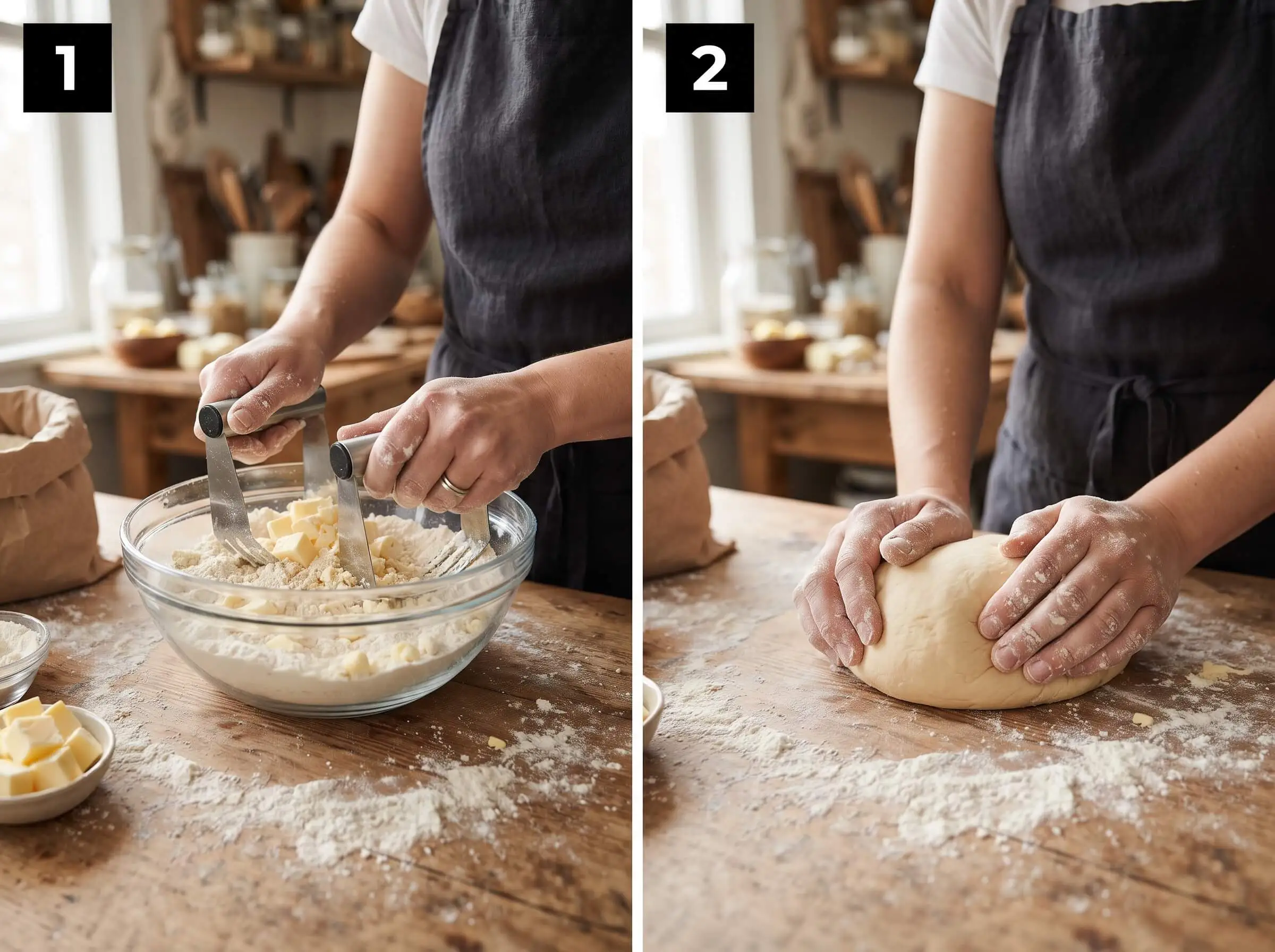
- In a large bowl, whisk together the flour, sugar, and salt. Cut in the cold butter using a pastry cutter or your fingers until the mixture resembles coarse crumbs.
- Add the egg and vinegar (or Marsala wine, if using), mixing until a shaggy dough forms, then gradually add the cold water, a tablespoon at a time, until the dough comes together into a firm ball. Knead briefly for 2-3 minutes, then wrap in plastic wrap and refrigerate for at least 1 hour, allowing the gluten to relax.
Roll and Shape the Shells
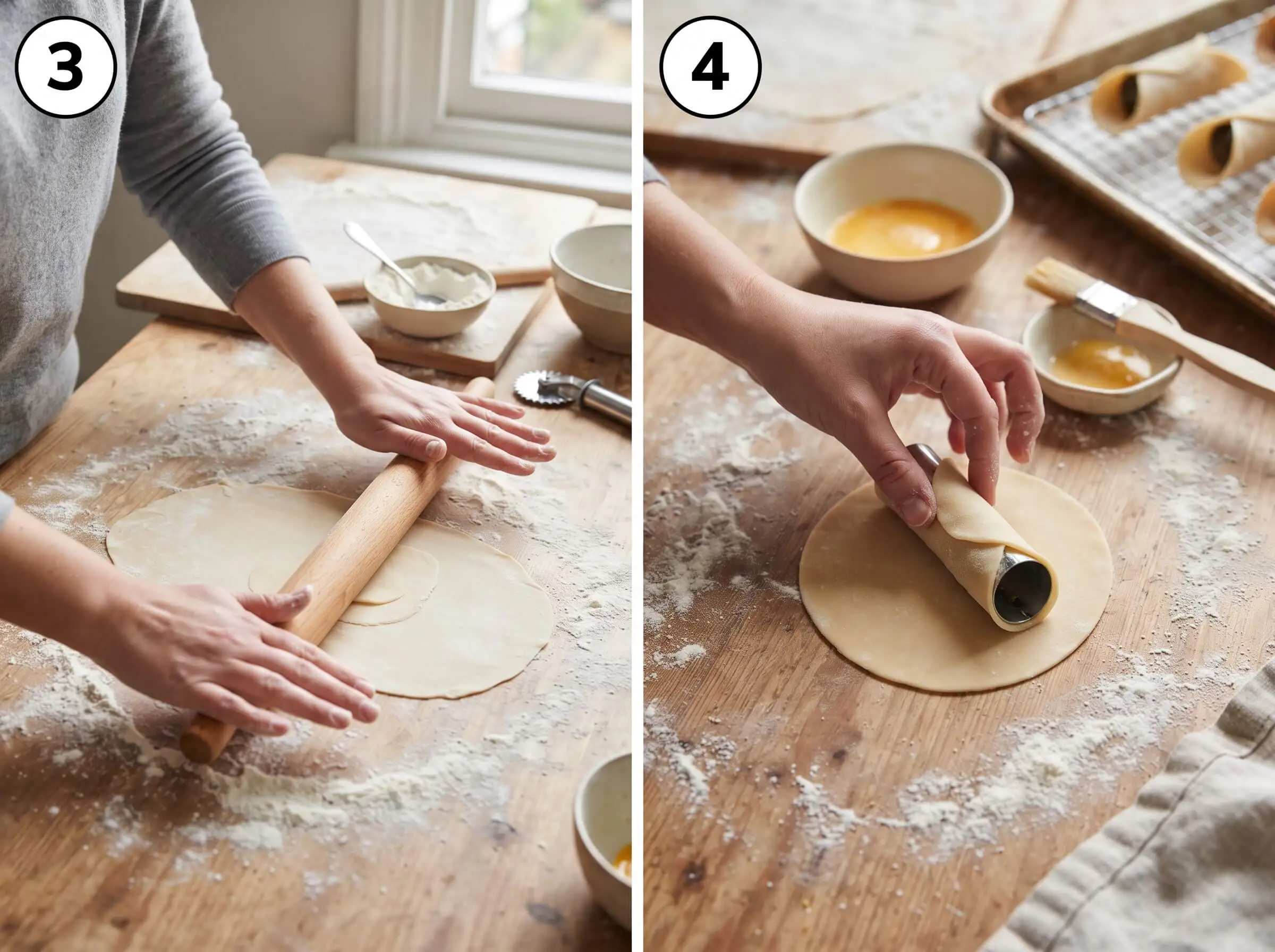
- On a lightly floured surface, roll the rested dough out very thin, about 1/16 inch thick, using a rolling pin or pasta machine on a thin setting. Cut the dough into circles or ovals about 4-5 inches in diameter.
- Wrap each piece of dough around a cannoli tube, sealing the overlapping edge with a bit of beaten egg white to help it hold its shape during frying.
Fry the Shells
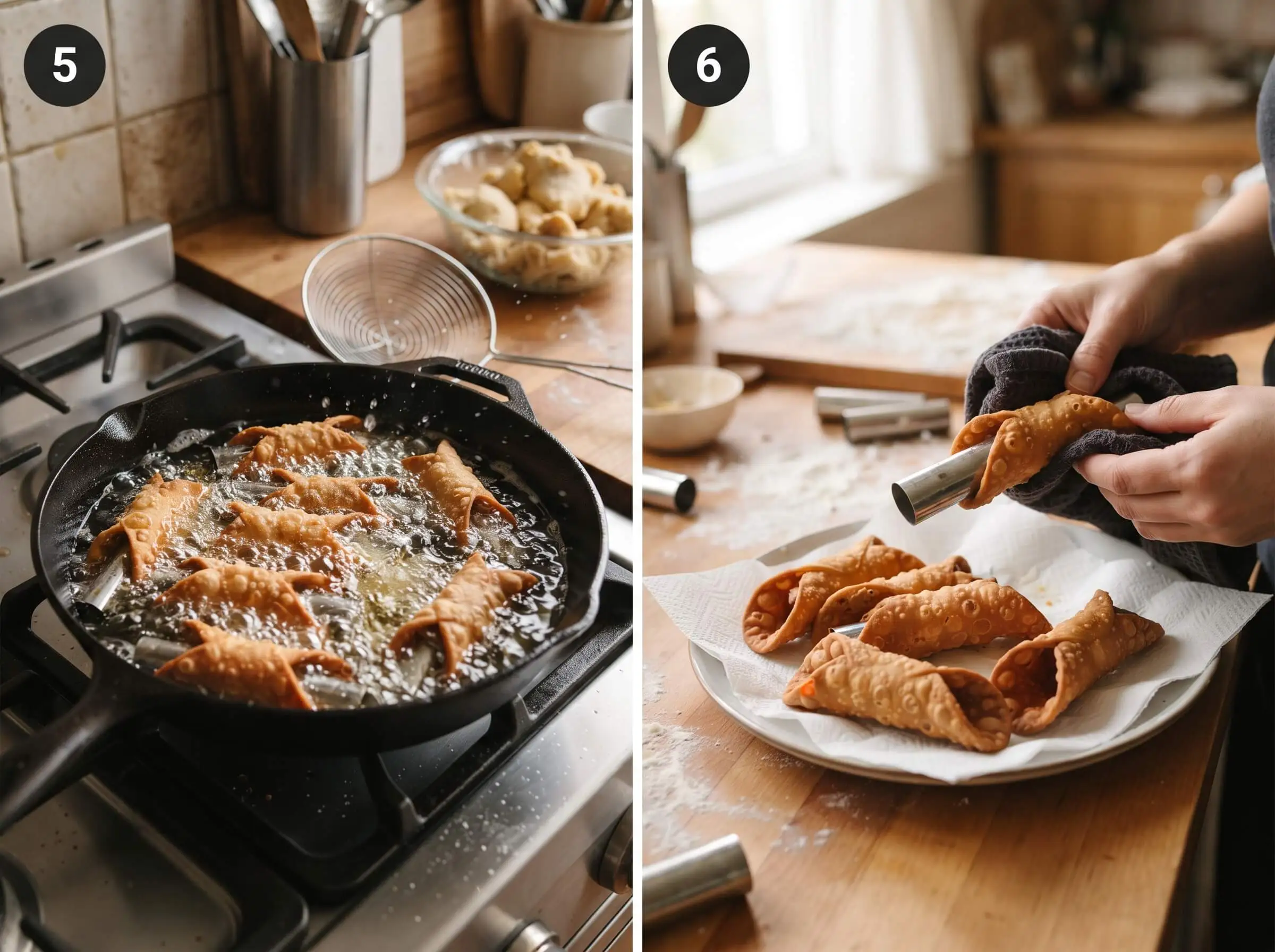
- Heat vegetable oil in a deep pot or Dutch oven to 350°F (175°C). Carefully fry the wrapped shells, a few at a time, for 2-3 minutes, turning occasionally, until golden brown and blistered all over.
- Remove the shells with tongs and let them cool slightly on a paper towel-lined plate before carefully sliding them off the metal tubes while still warm, since they can crack if allowed to cool completely on the tube.
Notes
- Rolling the dough as thin as possible is genuinely important for getting that classic crisp, blistered texture, so take your time during this step even if it feels tedious.
- Resting the dough for the full hour allows the gluten to relax, making it significantly easier to roll thin without tearing or springing back.
- Removing the shells from the metal tubes while they’re still warm, rather than letting them cool completely first, prevents them from cracking, since the shell can become brittle and difficult to slide off once fully cooled.
- These shells should always be filled right before serving, never in advance, since the moisture from the filling will quickly soften the crisp shell if left to sit.
- Unfilled shells can be stored in an airtight container at room temperature for up to a week, making them a great make-ahead component for the actual pastry.
Frequently Asked Questions
Is there a good cannoli recipe without wine that still tastes authentic?
Yes, this recipe includes a wine-free version using white vinegar in place of Marsala wine. The vinegar serves a similar functional purpose in the dough, contributing acidity that helps with texture, even though it doesn’t add the same subtle flavor that wine traditionally would.
What’s the difference between this and a truly traditional cannoli recipe traditional to Sicily?
The core technique, rolling thin dough around tubes and deep-frying until crisp, remains the same as the traditional method. The main variation in this recipe is offering the option to skip the wine, which some more historically strict versions would always include, though many home cooks today make this same substitution without much noticeable difference in the final shell.
Do I need special cannoli tubes to make this cannoli recipe easy at home?
Metal cannoli tubes or molds are genuinely important for shaping the shells properly during frying, and they’re relatively inexpensive and easy to find online or at kitchen supply stores. Without them, it’s difficult to achieve the classic hollow tube shape cannoli are known for.
Why did my cannoli shells turn out chewy instead of crisp?
This usually happens if the dough wasn’t rolled thin enough, or if the oil wasn’t hot enough during frying, causing the shells to absorb too much oil and turn soft rather than crisp. Rolling the dough as thin as possible and maintaining a consistent frying temperature around 350°F should help.
Can I bake cannoli shells instead of frying them?
Baking is possible, though it won’t produce quite the same blistered, crisp texture that frying does. If you’d rather avoid frying, wrapping the dough around tubes and baking at a high temperature can work as an alternative, but expect a slightly different, less traditional texture.
How far in advance can I make the cannoli shells?
Unfilled shells can be made up to a week in advance and stored in an airtight container at room temperature, which actually makes cannoli a great dessert to prep ahead, since only the filling needs to be added right before serving.
Why do cannoli need to be filled right before serving rather than in advance?
The moisture in the ricotta filling will quickly soften the crisp fried shell if left to sit for too long, causing it to lose its signature crunch. Filling the shells right before serving, or at most an hour or two ahead, helps preserve that crisp texture.
Twists & Ideas
You Can Add
Finely ground pistachios or mini chocolate chips pressed into both ends of the filled shells add extra texture and a decorative finish.
A hint of orange zest mixed into the dough adds a subtle citrus note that complements the traditional flavor of the shells.
A dusting of powdered sugar and a drizzle of melted chocolate over the finished, filled cannoli adds an extra touch of sweetness for special occasions.
Crushed candied fruit or citrus peel folded into the filling, once you make it, adds a traditional Sicilian touch found in many authentic versions.
You Can Replace
Sparkling water can replace both wine and vinegar in a pinch, giving a lighter dough texture without the acidity, though the shells may be slightly less crisp.
Coconut oil can replace vegetable oil for frying if you prefer a different flavor profile, though it will slightly change the taste of the finished shells.
A pasta machine can replace a rolling pin for getting the dough evenly thin, especially helpful if you’re making a larger batch of shells.
Smaller or larger cannoli tubes can replace the standard size used here, adjusting the dough circle size accordingly for mini or oversized cannoli.
Recipes You May Enjoy
- Cannoli Filling Recipe
- Mango Sago Recipe
- Japanese Cheesecake Recipe
- Milk Bread Recipe
- Arroz con Leche
- Dulce de Leche Recipe
- Mexican Flan
- Conchas Recipe
- Brigadeiro Recipe
- No Bake Biscoff Cheesecake
- 3 Ingredient No Bake Cheesecake
A Classic Worth Making From Scratch
Cannoli shells might seem intimidating at first, but once you understand the technique, from resting the dough properly to frying at the right temperature, this recipe becomes a genuinely achievable Italian pastry-making project. The crisp, blistered texture of a freshly fried shell is honestly hard to replicate with store-bought versions, making the extra effort well worth it.
Whether you’re making this cannoli recipe for the very first time, looking for a cannoli recipe easy enough to tackle on a weekend afternoon, or specifically searching for a cannoli recipe without wine to suit your preferences, this recipe walks through exactly what it takes to get that authentic Italian cannoli recipe texture right. Keep an eye out for a dedicated ricotta filling recipe coming soon to complete the full cannoli experience.
Tried This Recipe? Leave a Review!
There are no reviews yet. Be the first one to write one.