Onigiri Recipe
Table of Contents
Japan’s Beloved Rice Ball, Made Simple
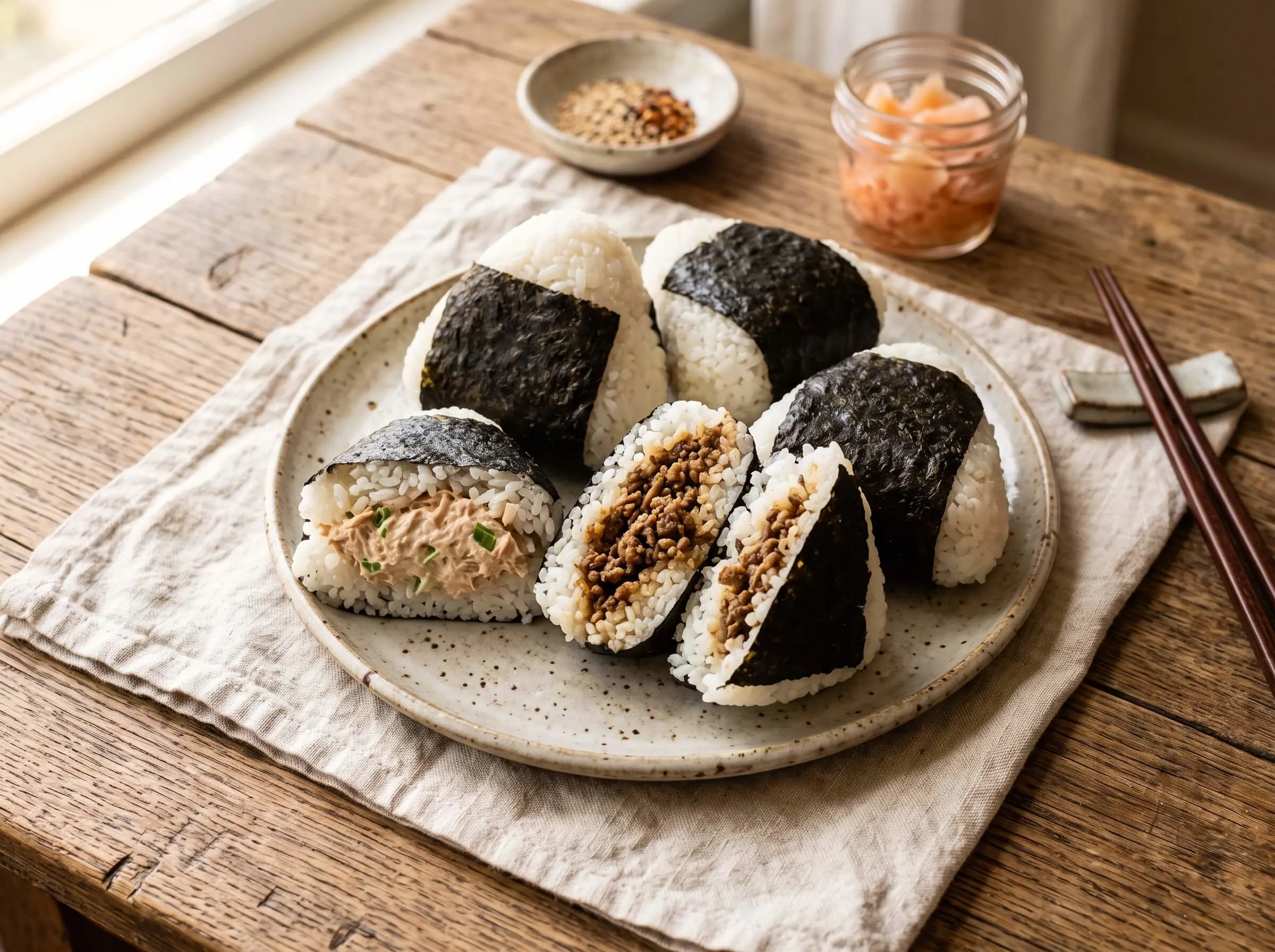
Onigiri are one of the most iconic and versatile foods in Japanese cuisine, essentially seasoned rice shaped around a savory filling, often wrapped in a strip of crisp seaweed. This onigiri recipe walks through how to make it from scratch, covering the technique needed to shape them properly along with a few popular filling variations.
Onigiri has a long history in Japan, with some historical references to rice balls dating back over a thousand years, originally created as a practical, portable way to carry rice as a meal, something Smithsonian Magazine has explored when covering the deep cultural roots behind Japan’s most enduring convenience foods. Today, onigiri remains a staple found everywhere from home kitchens to convenience stores throughout Japan, prized for being both satisfying and easy to eat on the go.
Getting the rice texture right is central to learning how to make onigiri properly, and Just One Cookbook has explained that short-grain Japanese rice, cooked with the correct water ratio and seasoned lightly with salt, is essential, since its natural stickiness is what allows the rice to hold its shape once formed, unlike long-grain rice varieties which won’t hold together nearly as well.
Shaping onigiri by hand takes a bit of practice, and many home cooks rely on an onigiri mold to make the process faster and more consistent, especially when making a larger batch. The Kitchn has covered these inexpensive plastic molds, noting that they’re a genuinely helpful tool for beginners, since they create a uniform triangular shape without requiring the same hand-shaping technique needed to form onigiri from scratch.
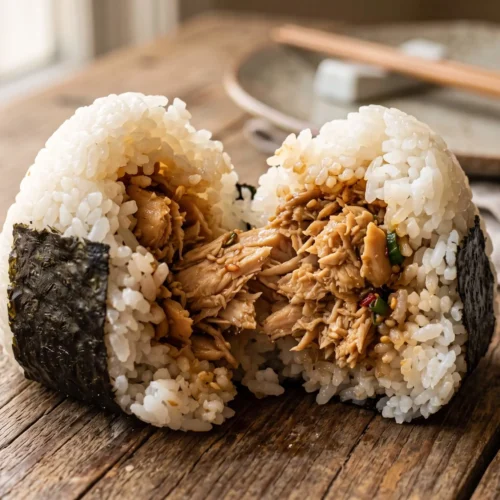
Fillings vary widely, and popular options like beef onigiri recipe versions using simmered, seasoned beef, an onigiri recipe chicken variation with seasoned shredded chicken, or a classic onigiri recipe tuna filling made with tuna mixed with mayonnaise are all common choices found throughout Japan, something Serious Eats has covered when discussing how adaptable this recipe fillings tend to be, ranging from simple pickled plum to more elaborate cooked meat and seafood options.
Whether you’re making these plain, filled with tuna, or trying a heartier beef onigiri recipe, this recipe walks through everything needed to shape perfect, portable rice balls at home.
Why You’ll Love This Recipe
This onigiri recipe walks through the shaping process clearly, whether you’re using a mold or forming them by hand, making this a genuinely approachable project even for first-timers.
Onigiri are endlessly customizable, and this recipe includes several popular filling options, giving you flexibility to make a variety in one batch depending on preference.
These rice balls are portable and easy to pack for lunches or snacks, making this a genuinely practical recipe beyond just being a fun kitchen project.
What to Serve With Onigiri
A simple bowl of miso soup pairs beautifully here, echoing how onigiri is traditionally enjoyed as part of a Japanese meal.
A side of pickled vegetables adds a tangy contrast that complements the mild, savory rice.
For a packed lunch, onigiri alongside some fresh fruit and a small salad makes for a well-rounded, portable meal.
How This Onigiri Recipe Comes Together
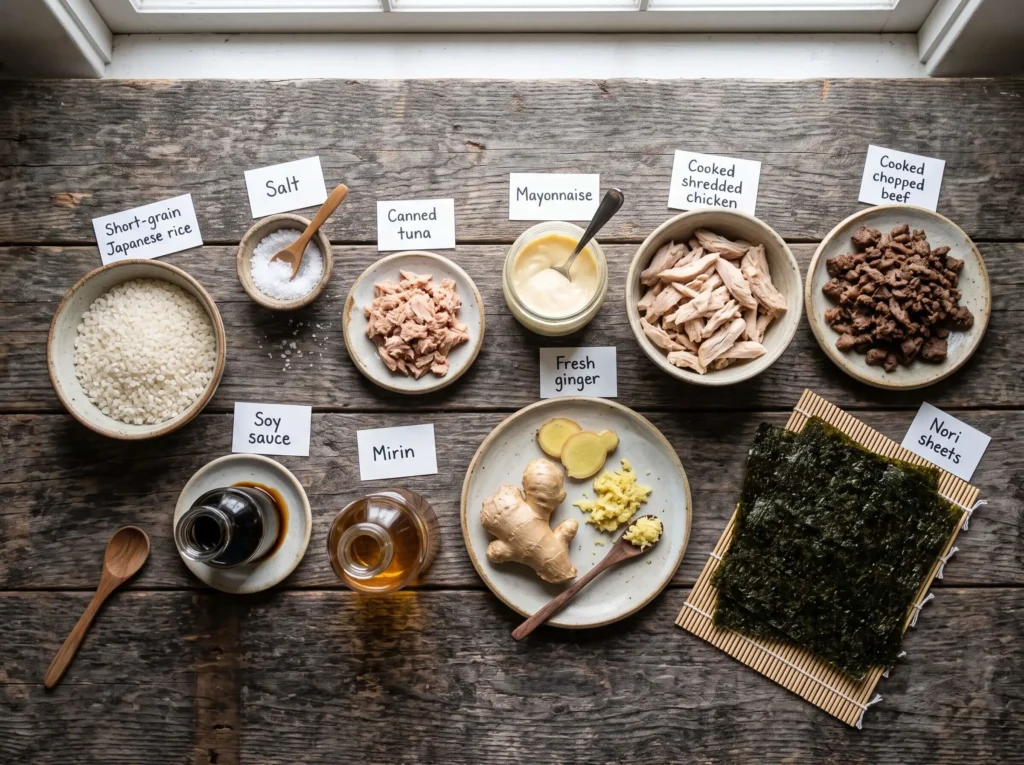
This recipe comes together in three main stages: cooking and lightly seasoning short-grain rice, preparing your choice of filling, then shaping the rice around the filling either by hand or using an onigiri mold before wrapping with seaweed. Here’s everything you’ll need.
Onigiri Recipe
Onigiri Recipe

Equipment
- Rice cooker or pot
- onigiri mold (optional)
- small bowl of water
Ingredients
Rice
- 2 cups short-grain Japanese rice
- 2¼ cups water
- 1 tsp salt
Tuna Filling (choose one filling option)
- 1 can 5 oz tuna, drained
- 2 tbsp mayonnaise
- ½ tsp soy sauce
Chicken Filling
- 1 cup cooked shredded chicken
- 1 tbsp soy sauce
- 1 tsp mirin
- ½ tsp sugar
Beef Filling
- 1 cup finely chopped cooked beef
- 1 tbsp soy sauce
- 1 tsp sugar
- ½ tsp grated fresh ginger
For Assembly
- 6 sheets nori seaweed, cut into strips
- Extra salt for hands
Instructions
Cook and Season the Rice
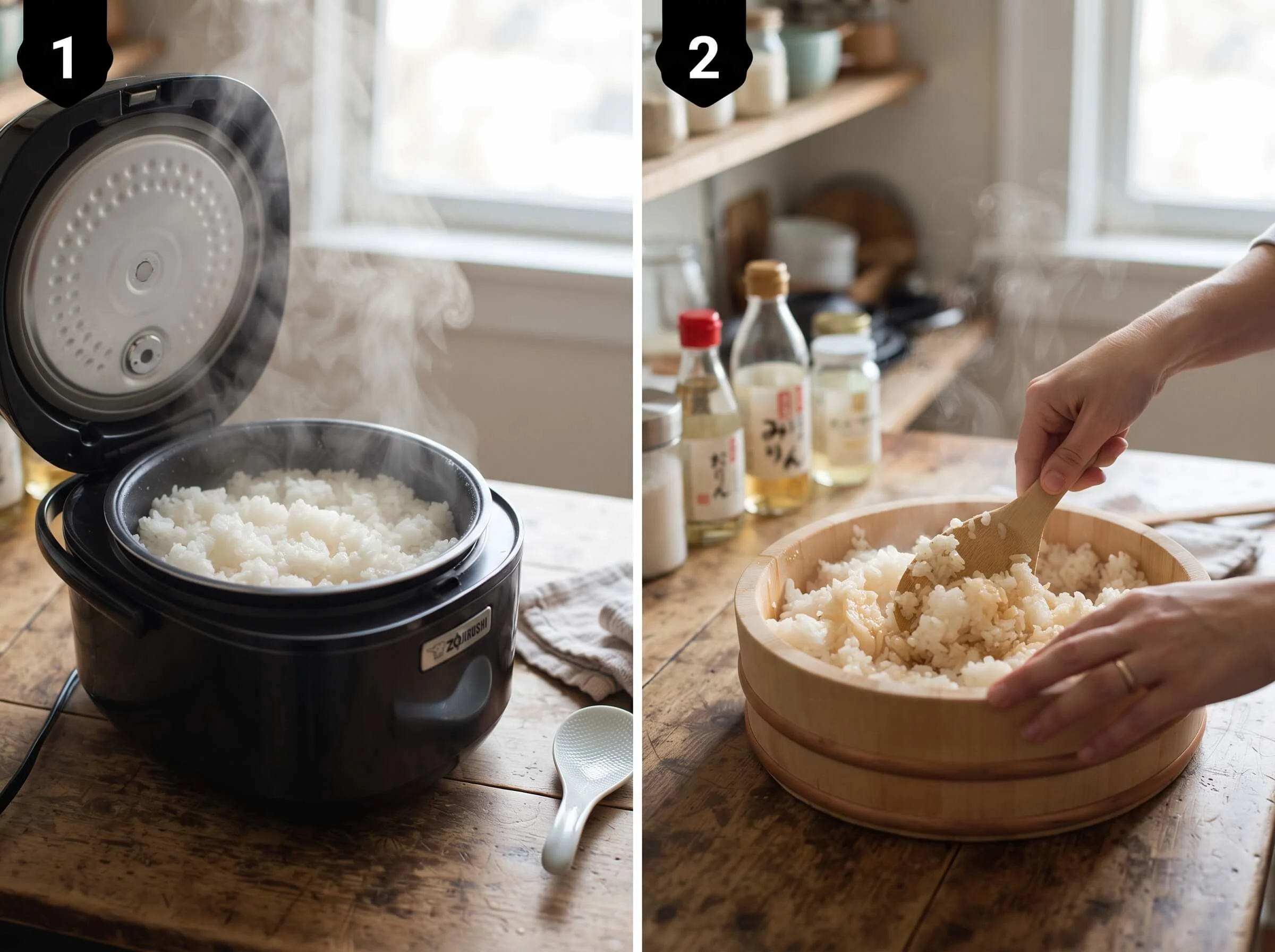
- Rinse the rice under cold water until the water runs mostly clear, then cook it with the measured water in a rice cooker or pot according to your equipment’s instructions.
- Once cooked, sprinkle the salt over the hot rice and gently fold it in with a rice paddle or spoon, being careful not to mash the grains. Let the rice cool slightly until it’s cool enough to handle comfortably.
Prepare Your Filling
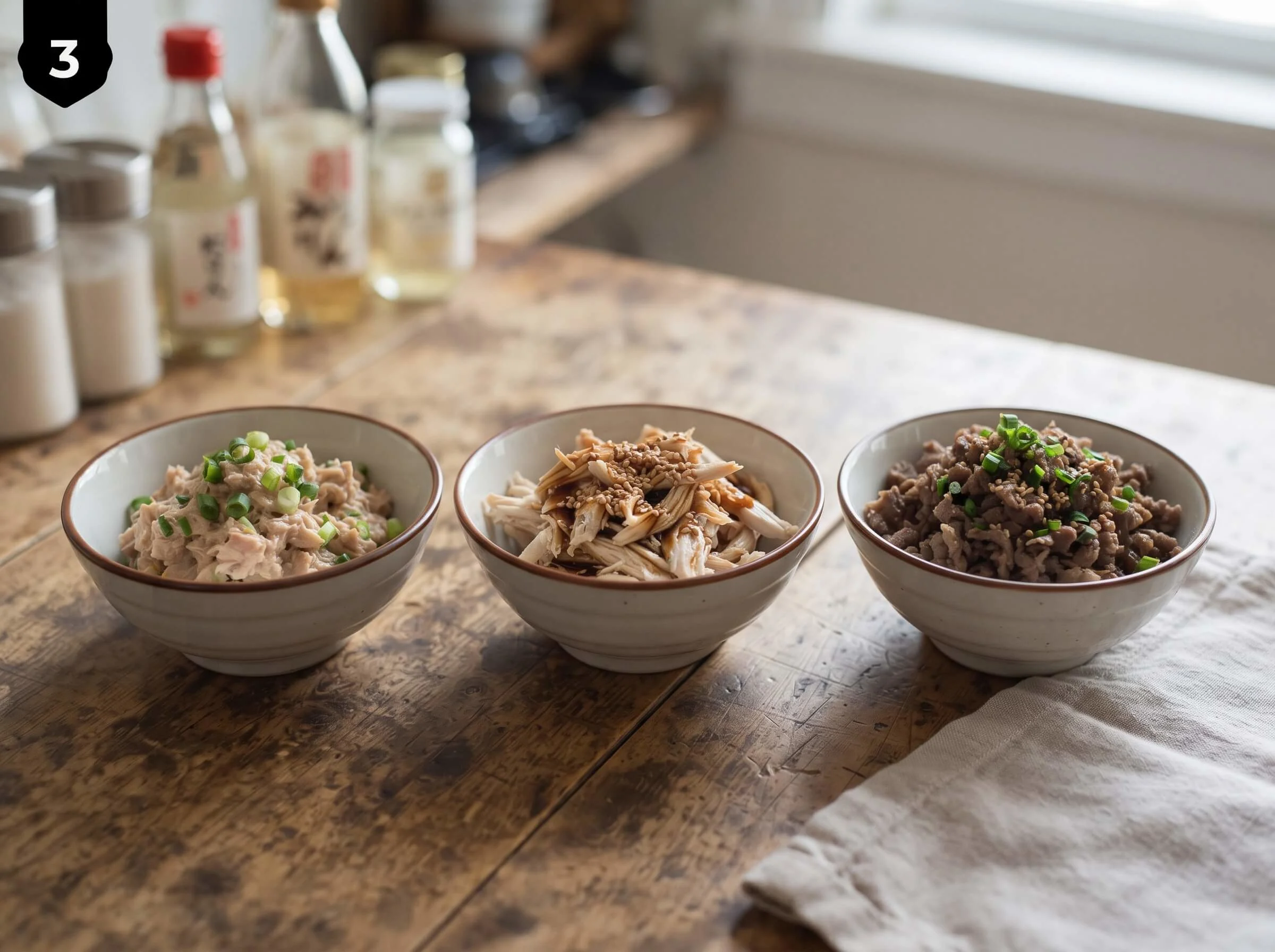
- For the tuna filling, mix the drained tuna with mayonnaise and soy sauce until well combined. For the chicken filling, cook the shredded chicken with soy sauce, mirin, and sugar in a small pan until the liquid has mostly absorbed. For the beef filling, cook the chopped beef with soy sauce, sugar, and ginger until the liquid reduces and coats the meat.
Shape the Onigiri
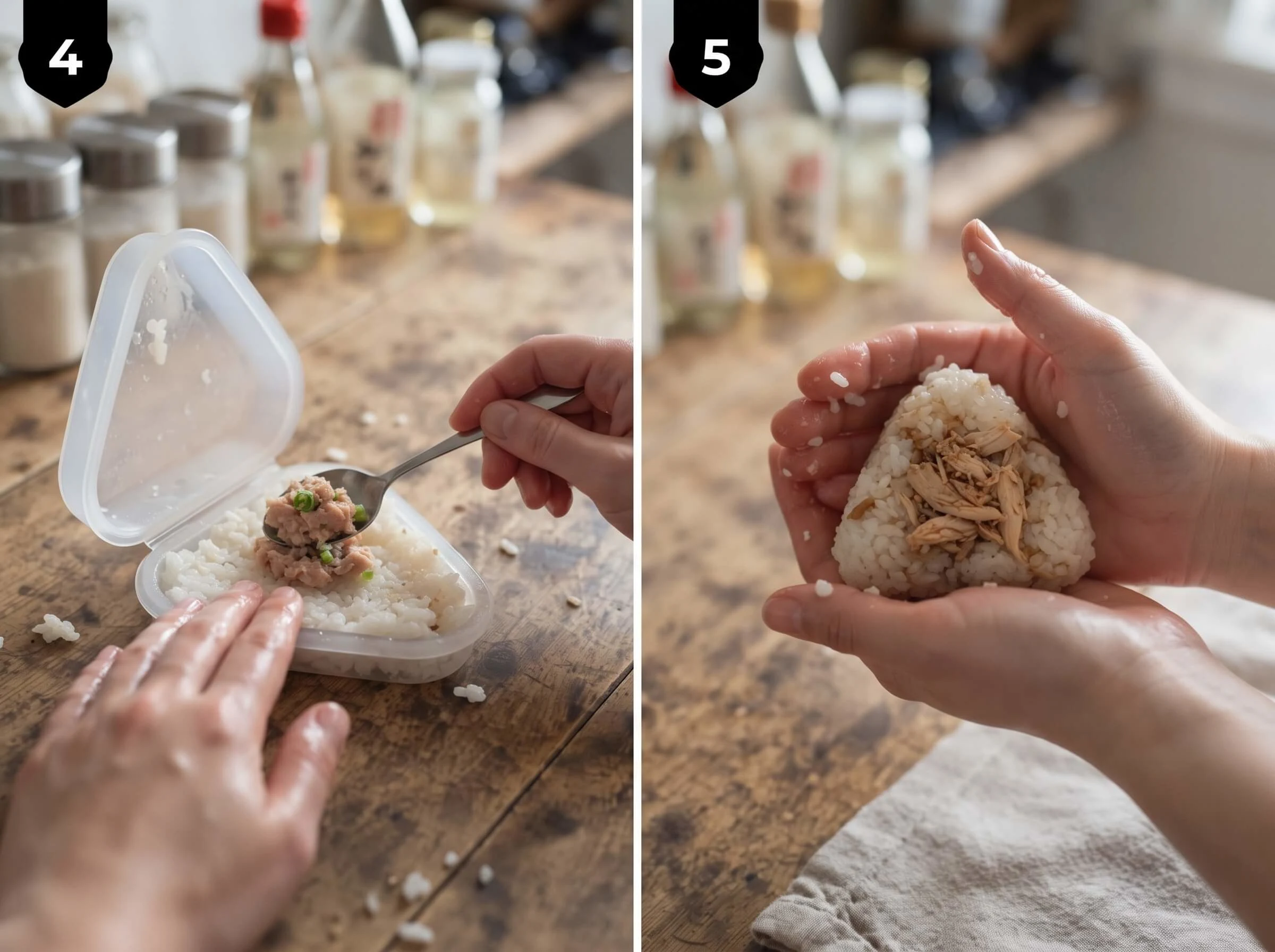
- If using an onigiri mold, lightly wet the inside of the mold with water, add a layer of rice, press a well into the center, add a spoonful of your chosen filling, then top with more rice and press the mold closed to shape.
- If shaping by hand, wet your hands and rub a small pinch of salt onto your palms. Take a handful of rice, flatten it slightly in your palm, add a spoonful of filling in the center, then fold the rice around the filling and gently shape it into a triangle using your palms and fingers, pressing firmly enough to hold its shape without compacting the rice too much.
Wrap and Serve
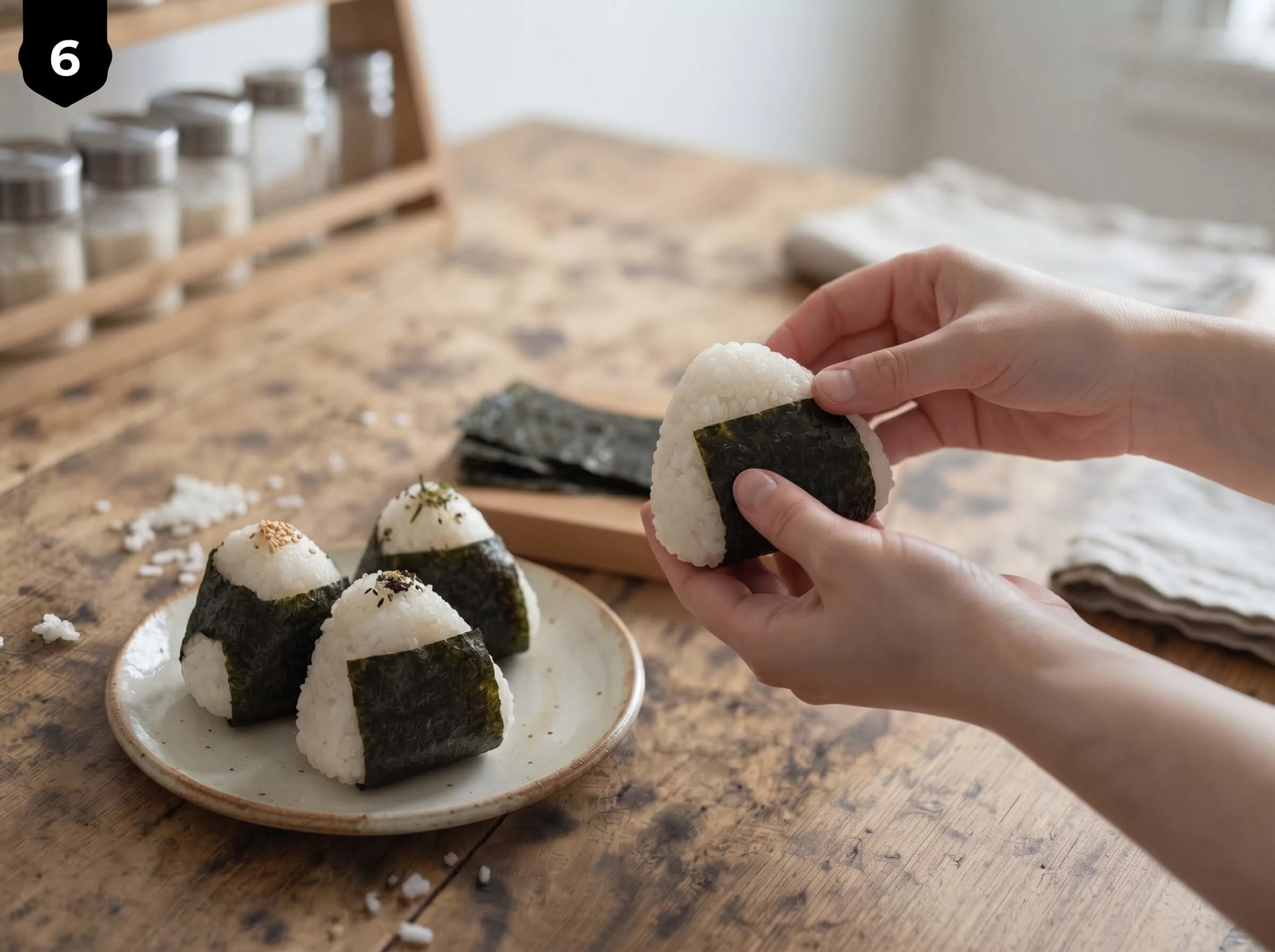
- Wrap a strip of nori around the bottom or side of each shaped onigiri, or serve nori on the side for wrapping right before eating to keep it crisp.
Notes
- Using short-grain Japanese rice specifically is important for this recipe, since its natural stickiness is what allows the onigiri to hold their shape, unlike long-grain rice varieties.
- Wetting your hands and using a small pinch of salt when shaping by hand prevents the rice from sticking excessively while also lightly seasoning the outer layer.
- An onigiri mold makes shaping significantly faster and more consistent if you’re making a larger batch, though hand-shaping gives you more control over the exact size and amount of filling in each one.
- Letting the rice cool slightly before shaping makes it much easier and more comfortable to handle without burning your hands, though it should still be warm enough to hold together well.
- Onigiri are best eaten the day they’re made, though they can be wrapped tightly and stored at room temperature for a few hours, or refrigerated for up to a day, though the rice does firm up noticeably once chilled.
Frequently Asked Questions
How to make onigiri hold its shape properly without falling apart?
Using short-grain Japanese rice, which has a naturally higher starch content than long-grain rice, is essential for proper stickiness. Additionally, pressing the rice firmly but not too aggressively while shaping, whether by hand or with an onigiri mold, helps the rice hold together without becoming overly compacted or dense.
Do I need a special onigiri mold to make this recipe, or can I shape them by hand?
An onigiri mold isn’t strictly necessary, and this recipe includes clear instructions for hand-shaping as well. That said, a mold does make the process faster and more consistent, especially useful if you’re making a larger batch or want perfectly uniform triangles every time.
Can I make a beef onigiri recipe ahead of time for meal prep?
Yes, the beef filling can be cooked and stored separately in the refrigerator for a few days, then combined with freshly cooked rice when you’re ready to shape and eat, since the filling holds up better than the fully assembled rice balls over time.
What other fillings work well beyond the onigiri recipe chicken, beef, and tuna options included here?
Pickled plum (umeboshi), salted salmon, and simple furikake seasoning mixed directly into the rice are all classic, popular onigiri fillings and toppings found throughout Japan, offering plenty of variety beyond the meat and seafood-based options in this recipe.
Why is my rice too sticky or too dry to shape properly?
This usually comes down to either using the wrong type of rice, since only short-grain Japanese rice provides the right texture, or not following the correct water-to-rice ratio during cooking. Double-checking both of these should help resolve most shaping issues.
Can I make an onigiri recipe tuna filling without mayonnaise?
Yes, if you’d prefer to skip mayonnaise, the tuna can simply be seasoned with a bit of soy sauce and sesame oil instead, though the texture will be less creamy and closer to a plain, seasoned tuna filling rather than the classic tuna mayo combination.
How long do onigiri stay fresh, and how should they be stored?
Onigiri are best enjoyed the same day they’re made, since rice tends to firm up and lose some of its ideal texture once refrigerated. If you need to store them, wrap each one tightly in plastic wrap and refrigerate for up to a day, letting them come closer to room temperature before eating for the best texture.
Can I use brown rice instead of white rice for onigiri?
Brown rice can technically be used, but it doesn’t hold together nearly as well as short-grain white rice due to its lower starch content and tougher bran layer, so Onigiri made with brown rice can be more crumbly, making it harder to shape properly.
Is it necessary to wrap onigiri in nori, or can they be eaten without it?
Nori is optional and mainly adds flavor, a bit of salty crunch, and helps with handling the rice ball without getting your fingers too sticky. Onigiri are absolutely still enjoyable without nori, especially for those who aren’t fans of seaweed.
Twists & Ideas
You Can Add
A sprinkle of furikake seasoning mixed directly into the rice before shaping adds extra flavor and a bit of color throughout the onigiri.
A small pickled plum (umeboshi) placed in the center as the filling offers a traditional, tangy alternative to the meat and seafood options in this recipe.
Toasted sesame seeds mixed into the rice add a subtle nutty flavor and pleasant texture.
A thin slice of cheese tucked in alongside the chicken or beef filling adds a modern, melty twist that’s become popular in some convenience store variations.
You Can Replace
Brown rice can replace white rice, as mentioned in the FAQ, though the finished dish will be more crumbly and harder to shape.
Canned salmon can replace tuna for a similar preparation with a different, slightly richer seafood flavor.
Ground turkey can replace beef or chicken in either filling recipe, adjusting seasoning slightly since turkey has a milder flavor.
A silicone onigiri mold can replace a standard plastic one, offering a similarly consistent shape with easier release once the rice is formed.
Recipes You May Enjoy
- Teriyaki Chicken Recipe
- Japanese Cheesecake Recipe
- Chicken Katsu Recipe
- Pad Thai Recipe
- Japanese Curry Recipe
- Wonton Soup Recipe
- Orange Chicken Recipe
- Milk Bread Recipe
- Mango Sago Recipe
A Portable Classic Worth Mastering
Onigiri proves that some of the most beloved foods come from simple, well-executed technique rather than a long list of complicated ingredients. Once you understand how to make it properly, whether using an onigiri mold for convenience or shaping them entirely by hand, you’ll have a genuinely versatile, portable snack or meal ready whenever you need it.
Whether you’re trying a classic recipe for tuna filling, exploring a chicken variation, or working through a heartier beef onigiri recipe, this dish delivers that same satisfying, portable rice ball experience found throughout Japan. Once you’ve practiced the shaping technique a few times, then its becomes one of those recipes you’ll want to make regularly, whether for a quick snack, a packed lunch, or a fun project to share with family.
Tried This Recipe? Leave a Review!
There are no reviews yet. Be the first one to write one.