Teriyaki Chicken Recipe
Table of Contents
A Sweet, Glossy Glaze That’s Become a Household Favorite
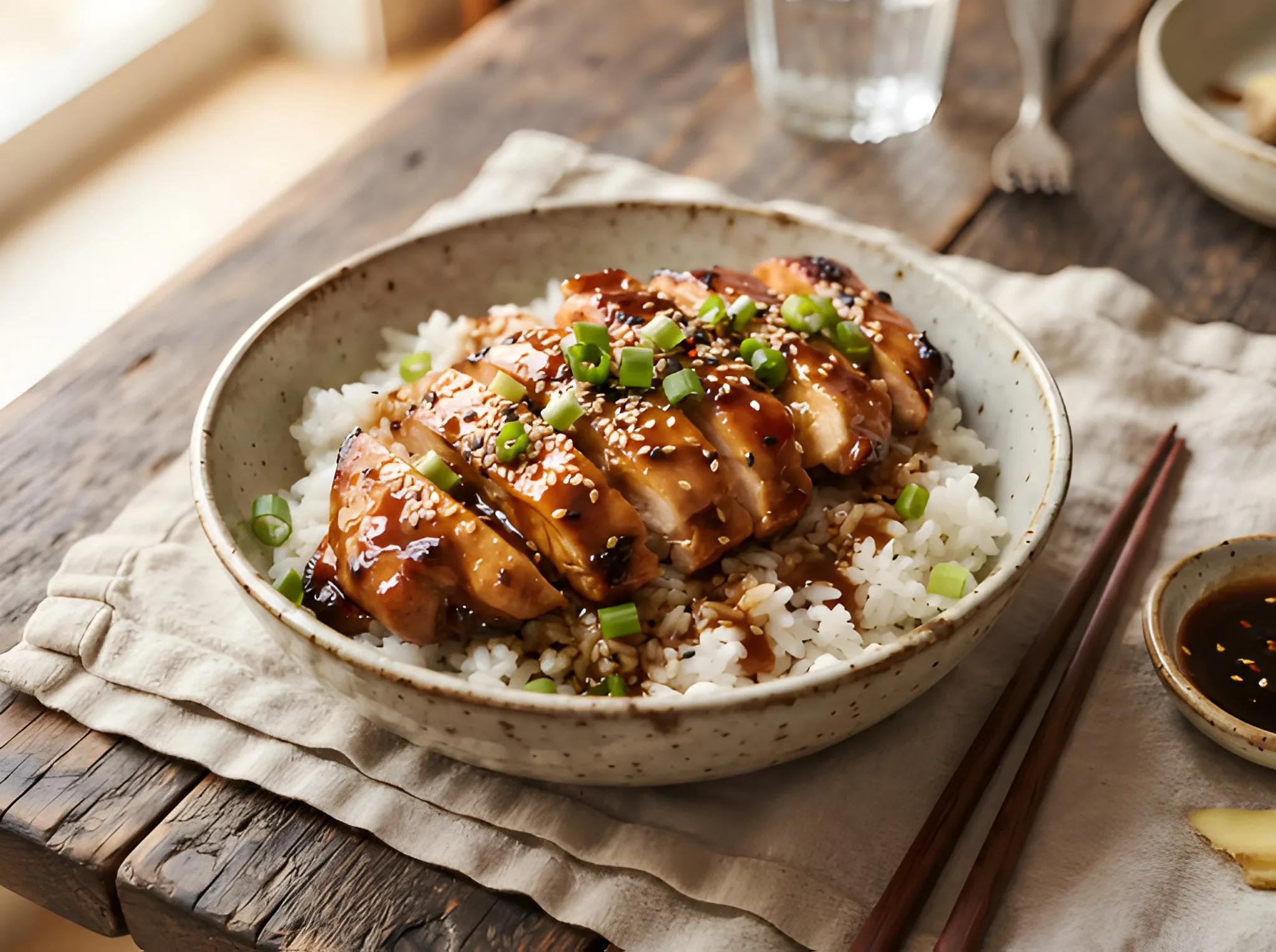
Teriyaki chicken is one of the most beloved Japanese-inspired dishes worldwide, known for its glossy, sweet-savory glaze that coats juicy, pan-seared chicken. This teriyaki chicken recipe walks through making that signature sauce from scratch, delivering that same sticky, flavorful glaze found at Japanese restaurants without relying on a bottled sauce.
The word “teriyaki” itself describes a cooking technique rather than a specific dish, combining “teri,” referring to the glossy shine of the glaze, with “yaki,” meaning grilled or broiled, something Bon Appétit has explained when covering the origins of this now globally recognized Japanese cooking method. While teriyaki chicken has become especially popular in the United States, the underlying technique of glazing grilled or pan-seared proteins with a sweet soy-based sauce has deep roots in traditional Japanese cooking.
A proper teriyaki chicken recipe marinade or glaze typically relies on a balance of soy sauce, mirin, sake, and sugar, and Serious Eats has broken down how each ingredient contributes to the final flavor, explaining that mirin specifically adds a subtle sweetness and glossy finish that regular sugar alone can’t quite replicate, which is why it’s considered a defining ingredient in authentic teriyaki sauce.
Getting a proper glaze consistency comes down to reduction technique. The Kitchn has written about reducing sauces broadly, explaining that simmering a sauce uncovered allows excess liquid to evaporate, concentrating both flavor and thickness, which is exactly how teriyaki sauce transforms from a thin liquid into that signature sticky, glossy glaze that clings to the chicken.
For those chasing a japanese teriyaki chicken recipe experience closer to what’s traditionally served in Japan, Just One Cookbook has pointed out that authentic versions tend to use a simpler sauce, relying less on added thickeners like cornstarch and more on natural reduction, resulting in a slightly thinner, though still flavorful, glaze compared to some thicker, cornstarch-heavy Americanized versions.
Whether you’re after a teriyaki chicken recipe authentic to traditional Japanese technique or just want a quick, flavorful weeknight dinner, this recipe delivers that same glossy, sweet-savory glaze people love about this dish.
Why You’ll Love This Recipe
This teriyaki chicken recipe delivers that signature glossy, sweet-savory glaze using a homemade sauce, giving you much better flavor and control over sweetness compared to a bottled version.
The chicken sears in one pan and finishes cooking directly in the reducing sauce, meaning minimal cleanup and maximum flavor absorption throughout the cooking process.
This dish comes together in about 25 minutes, making it a genuinely fast, satisfying dinner option for busy weeknights without sacrificing authentic flavor.
What to Serve With Teriyaki Chicken
Steamed white or jasmine rice is a classic choice, perfectly soaking up any extra glaze on the plate.
Steamed or stir-fried vegetables, such as broccoli or snap peas, make a great addition to the meal, bringing extra color, freshness, and nutrition to the dish.
A simple cucumber salad on the side offers a light, refreshing contrast to the rich, sweet glaze.
How This Teriyaki Chicken Recipe Comes Together
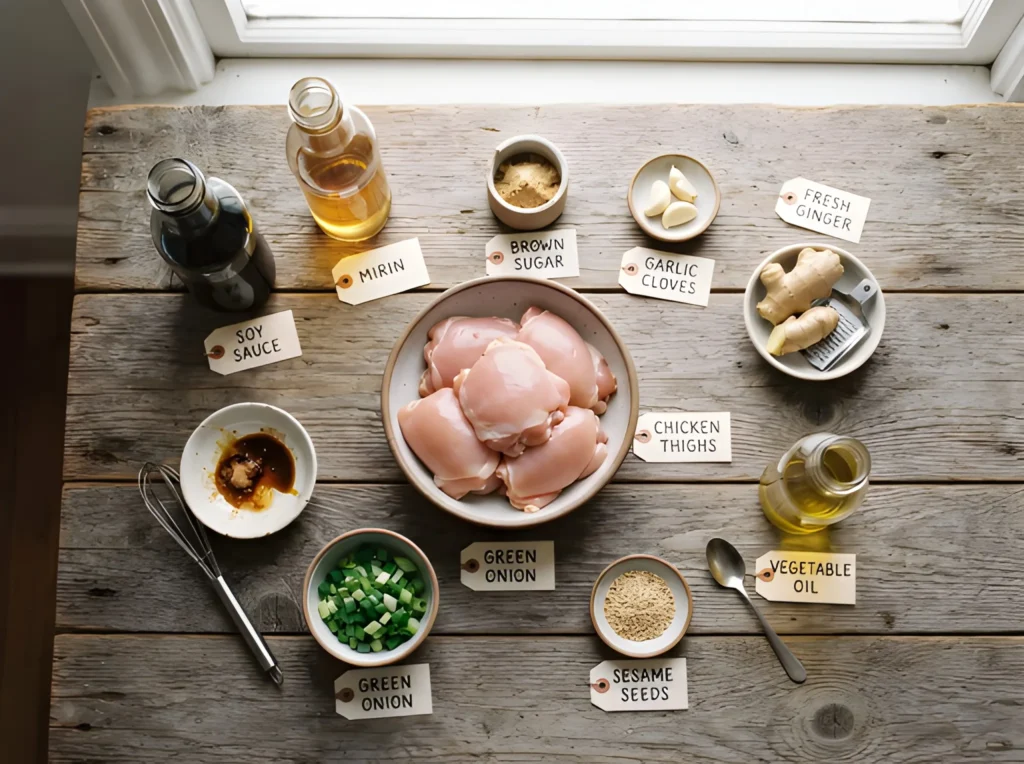
This recipe comes together in two simple stages: first, sear the chicken until golden on both sides, then prepare the teriyaki sauce in the same pan and let the chicken simmer in it. finish cooking as the sauce reduces into a glossy glaze. Here’s everything you’ll need.
Teriyaki Chicken Recipe
Teriyaki Chicken Recipe

Equipment
- Large skillet
- small bowl
- Tongs
Ingredients
- 1½ lbs boneless skinless chicken thighs
- 1 tbsp vegetable oil
- Salt and pepper to taste
- ½ cup soy sauce
- ¼ cup mirin
- 2 tbsp sake or dry sherry substitute rice vinegar with a pinch of sugar
- 3 tbsp brown sugar
- 2 garlic cloves minced
- 1 tsp grated fresh ginger
- 1 tbsp cornstarch mixed with 2 tbsp water optional, for extra thickness
- Sesame seeds and sliced green onion for garnish
Instructions
Sear the Chicken
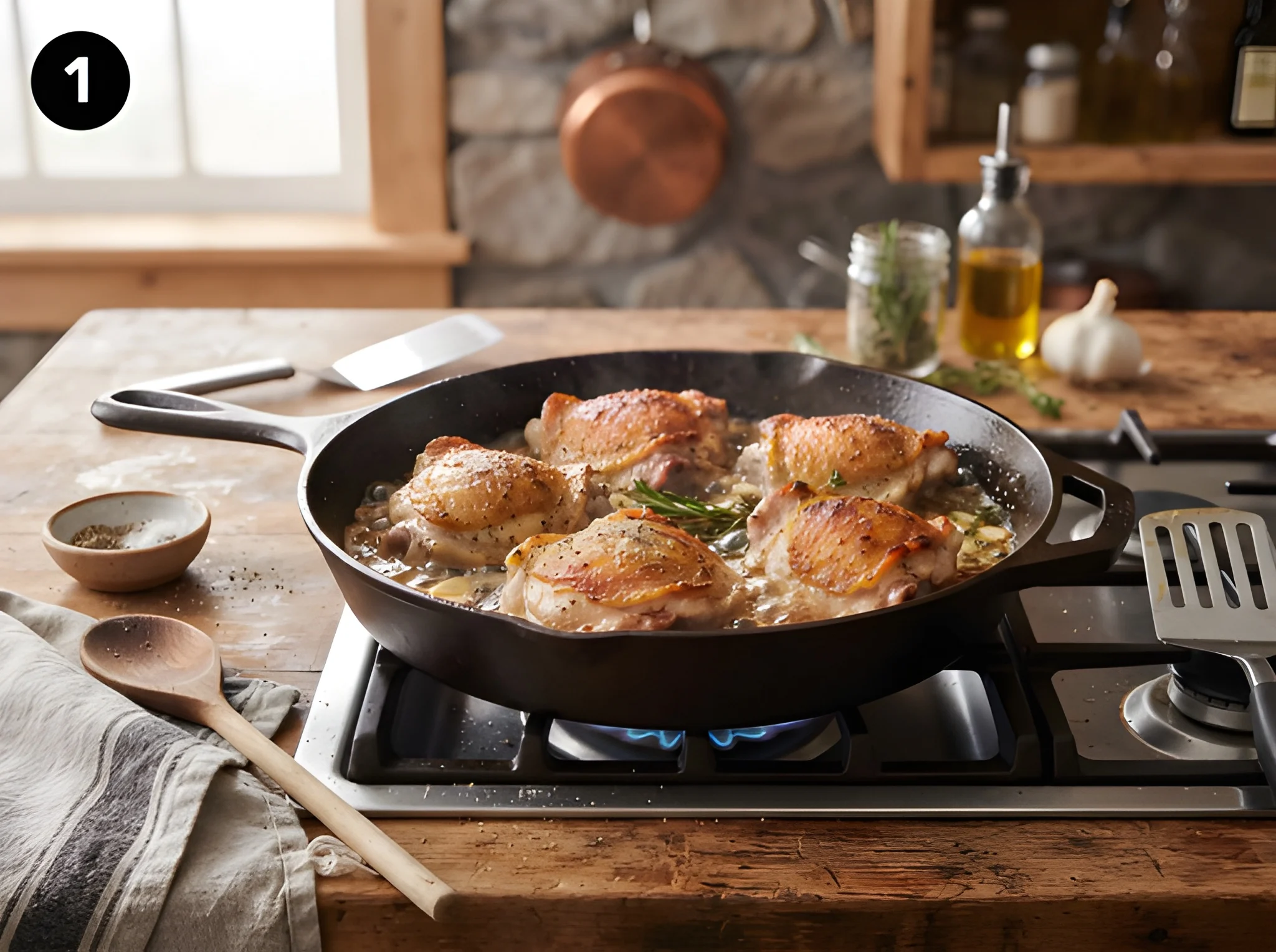
- Season the chicken thighs with salt and pepper. Heat the vegetable oil in a large skillet over medium-high heat, then add the chicken and sear for 5-6 minutes per side, until golden brown and mostly cooked through.
Build the Teriyaki Sauce
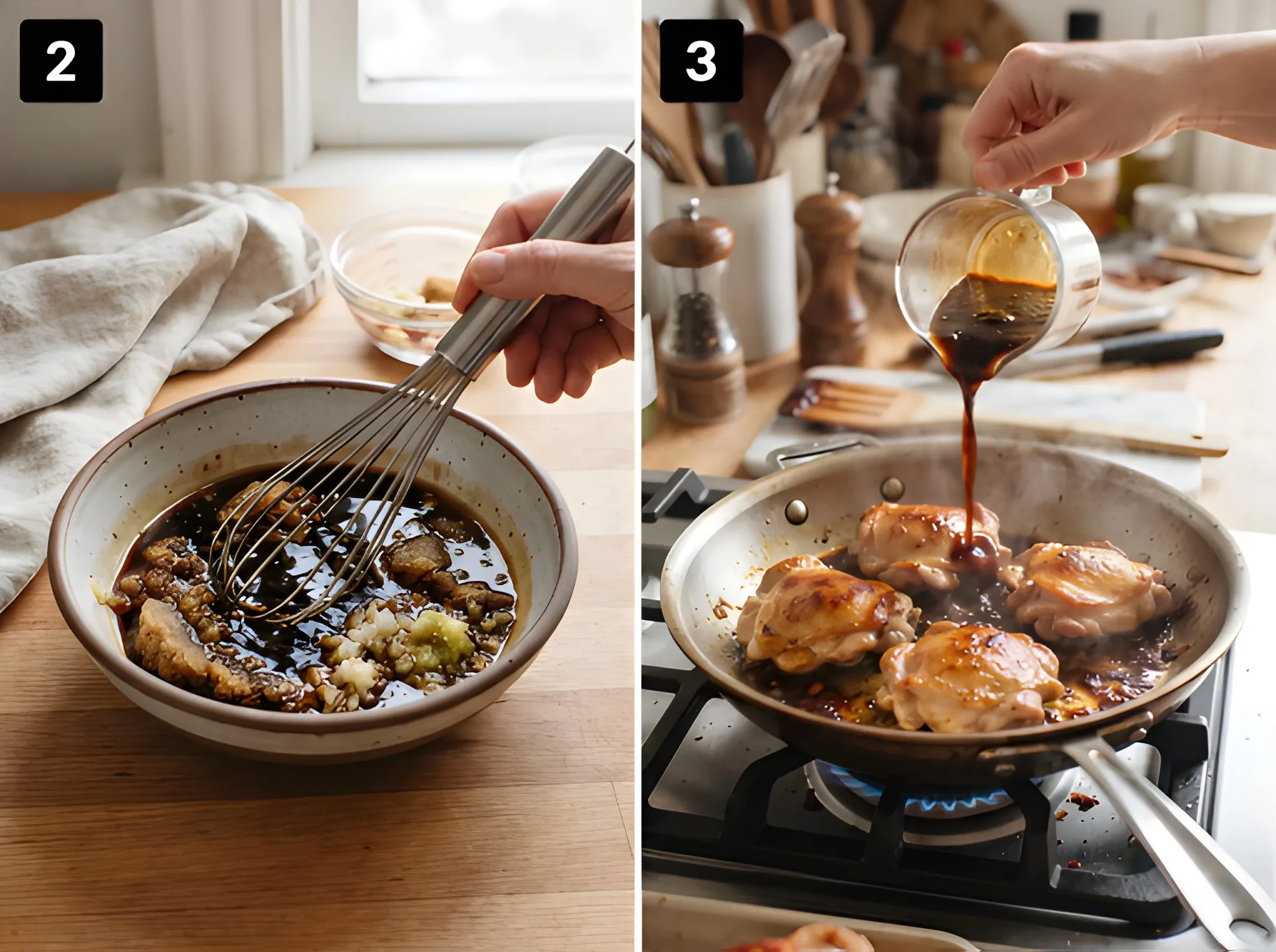
- While the chicken sears, whisk together the soy sauce, mirin, sake substitute, brown sugar, garlic, and ginger in a small bowl.
- Once the chicken is seared on both sides, pour the sauce mixture directly into the skillet, scraping up any browned bits from the bottom of the pan.
Simmer and Glaze
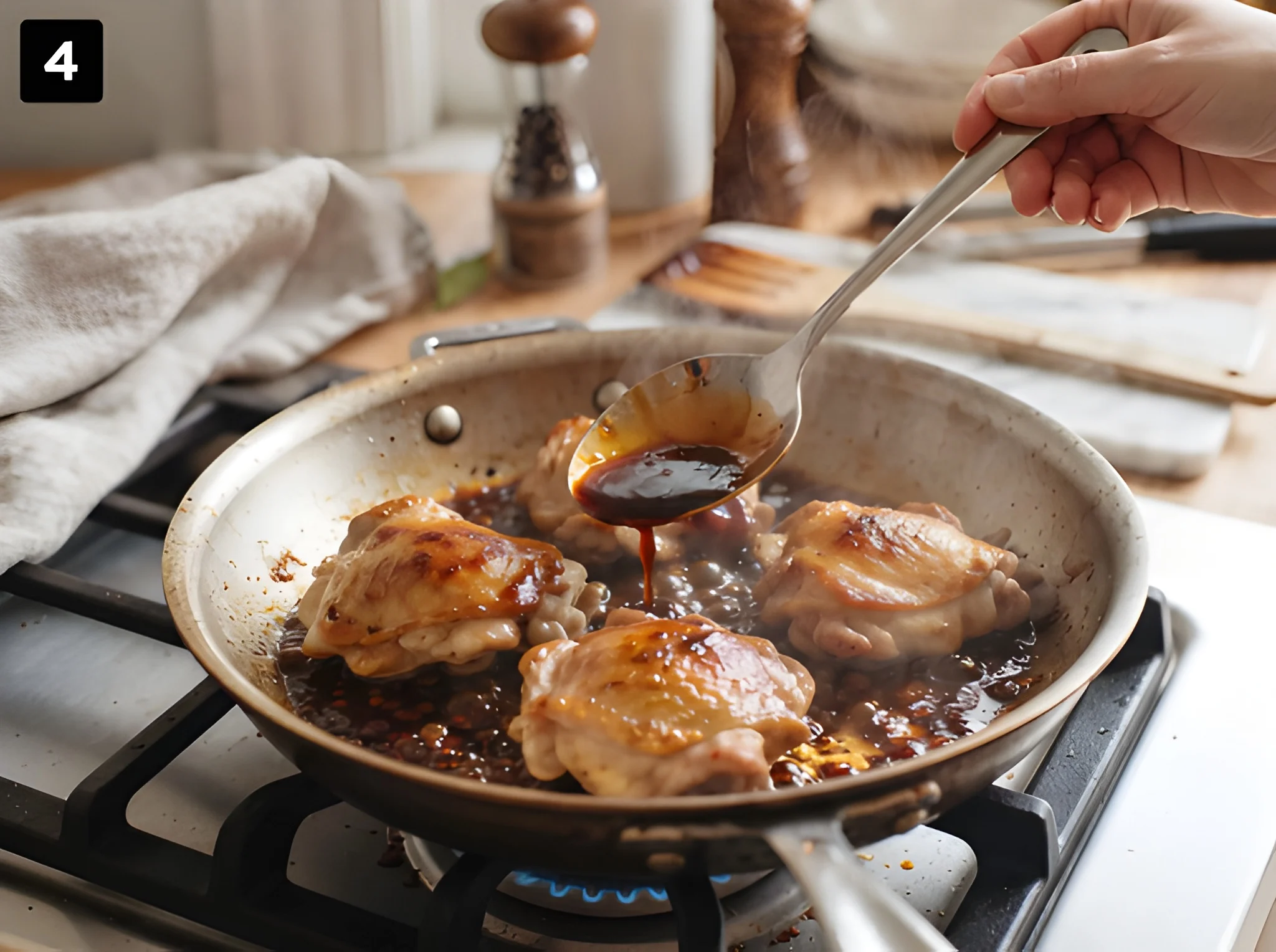
- Reduce the heat to medium-low and let the sauce simmer for 6-8 minutes, spooning it over the chicken occasionally, until it thickens and becomes glossy, and the chicken reaches an internal temperature of 165°F (74°C).
- If you prefer a thicker glaze, stir in the cornstarch slurry during the last 2 minutes of simmering, stirring until the sauce reaches your desired consistency.
Finish and Serve
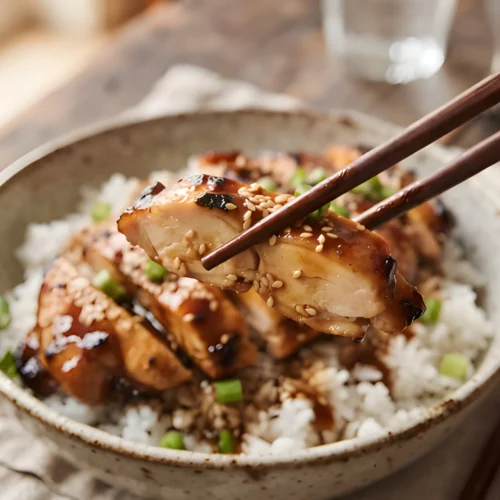
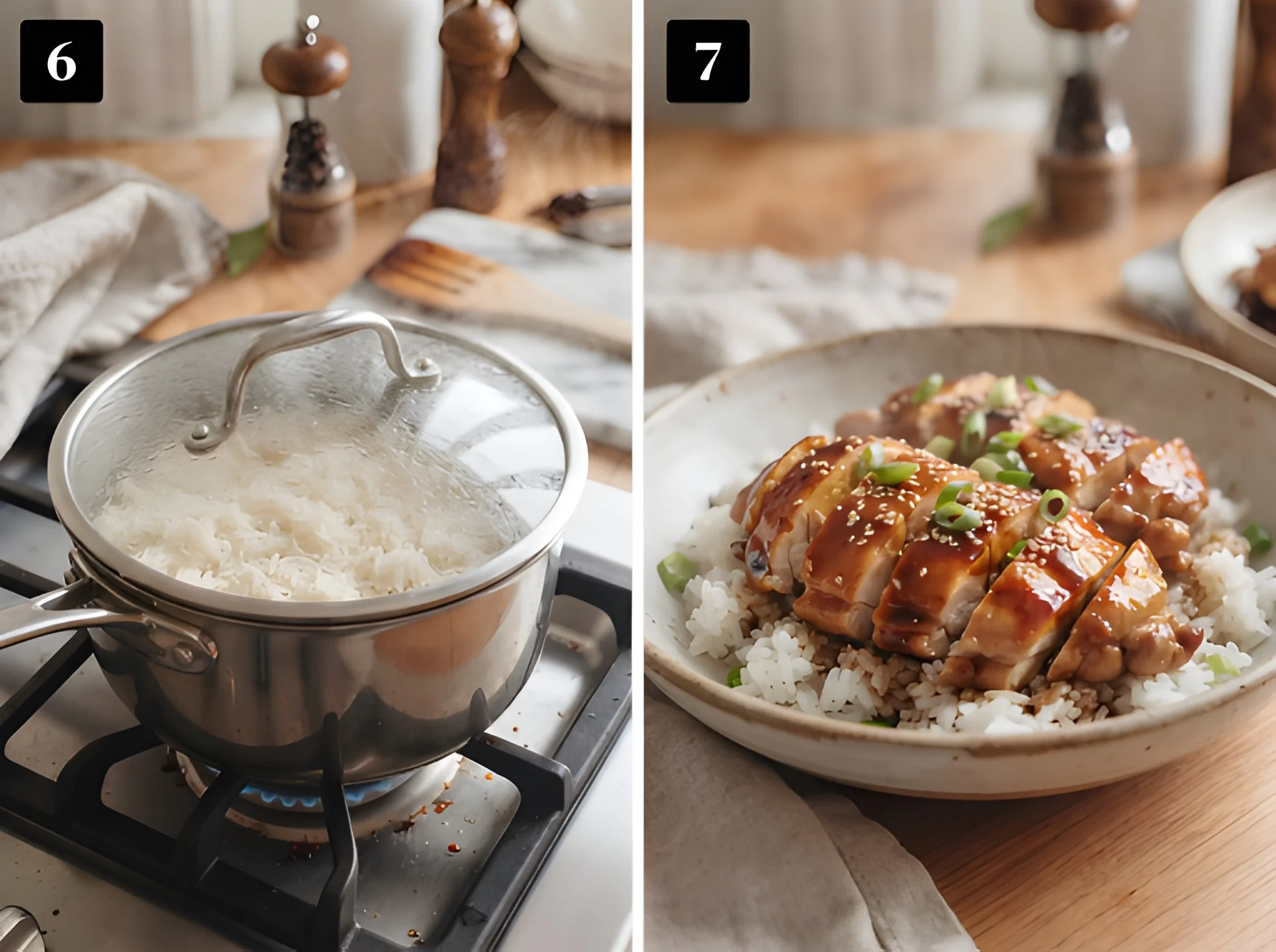
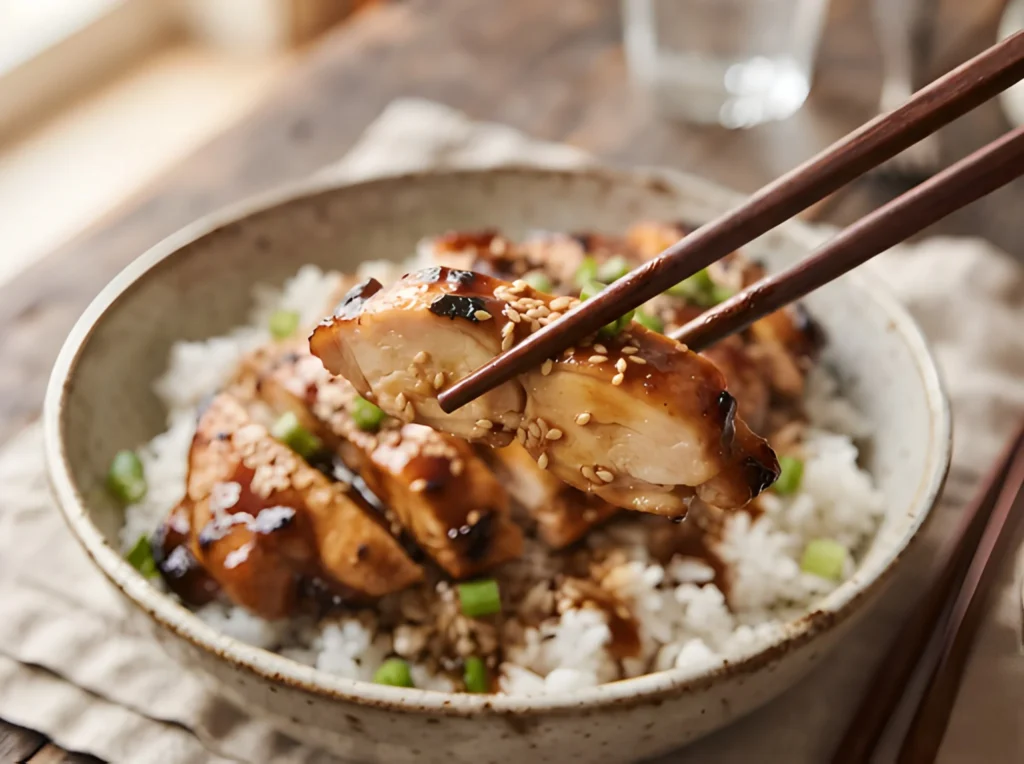
- Remove the chicken from heat and let it rest for a couple of minutes before slicing. Spoon any remaining glaze over the sliced chicken, then garnish with sesame seeds and sliced green onion before serving.
Notes
- Searing the chicken well before adding the sauce builds a nice base flavor from those browned bits that get incorporated into the glaze once the sauce is poured in.
- Spooning the sauce over the chicken periodically while it simmers helps it develop that signature glossy coating rather than just sitting in a pool of sauce underneath.
- The cornstarch slurry is optional and mainly helps if you prefer a thicker, more clingy glaze; skipping it results in a slightly thinner, more traditionally authentic teriyaki sauce.
- Using mirin specifically, rather than substituting it entirely with sugar, makes a genuine difference in achieving that signature glossy, slightly sweet flavor teriyaki sauce is known for.
- Leftover teriyaki chicken keeps well in the refrigerator for up to 4 days and reheats nicely in a skillet over low heat with a small splash of water to loosen the sauce.
Frequently Asked Questions
What is a proper teriyaki chicken recipe marinade made of?
A traditional teriyaki marinade or sauce typically combines soy sauce, mirin, sake, and sugar, sometimes with added garlic and ginger for extra depth. This combination creates that signature sweet, savory, glossy flavor that defines teriyaki-style dishes.
What’s the difference between chicken teriyaki and this Japanese chicken teriyaki recipe compared to bottled versions?
Homemade teriyaki sauce, as made in this recipe, typically uses real mirin and often skips heavy thickeners like cornstarch in favor of natural reduction, giving a more nuanced, less artificially sweet flavor compared to many bottled sauces, which often rely on high fructose corn syrup and less authentic ingredients.
Can I use chicken breast instead of chicken thighs in this teriyaki chicken recipe?
Yes, chicken breast is a great substitute for thighs, although thighs usually stay more tender and juicy because they contain more fat. If using breast meat, keep a close eye on cook time to avoid drying it out during the searing and simmering process.
Is this a teriyaki chicken recipe authentic to how it’s made in Japan?
This recipe follows the traditional Japanese technique of searing protein and finishing it in a reducing soy-mirin-based sauce, staying true to the “teri” (glossy) and “yaki” (grilled) concept central to authentic teriyaki. It’s genuinely representative of the traditional method, even without added thickeners some Americanized versions include.
What can I use instead of mirin if I don’t have any on hand?
If mirin isn’t available, a mixture of rice vinegar and a small amount of extra sugar can approximate some of its sweet, tangy quality, though the flavor won’t be quite identical to real mirin, which contributes a unique depth that’s hard to fully replicate.
Can I grill the chicken instead of cooking it in a skillet?
Yes, grilling the chicken and basting it with the teriyaki sauce during the last several minutes of cooking works well too, giving you a slightly smokier flavor while still achieving that glossy glazed finish, though you’ll want to reduce the sauce separately on the stove first before basting.
Why is my teriyaki sauce too thin?
This usually means the sauce needs more time simmering uncovered to reduce properly. Let it continue cooking for a few more minutes, or add the optional cornstarch slurry for a quicker, more reliable thickening method if you’re short on time.
Can I make the sauce ahead of time?
Yes, the teriyaki sauce mixture can be whisked together and stored in the refrigerator for up to a week, making meal prep easier, since you can simply sear chicken fresh and pour in the pre-made sauce whenever you’re ready to cook.
Is teriyaki chicken traditionally served with rice, and what other sides work well?
Yes, steamed rice is the most traditional pairing, allowing it to soak up the flavorful glaze. Beyond rice, stir-fried or steamed vegetables and a simple cucumber salad both complement the rich, sweet flavor of the chicken nicely.
Can I freeze teriyaki chicken?
Yes, this dish freezes reasonably well for up to 2 months. Thaw it in the refrigerator overnight and reheat gently in a skillet over low heat, adding a small splash of water or extra soy sauce to help loosen the sauce back up as it warms.
Why did my chicken turn out dry despite following this chicken teriyaki recipe?
This is usually caused by overcooking the chicken during the searing stage before the sauce reduction even begins. Make sure not to fully cook the chicken through during the initial sear, since it will continue cooking as the sauce simmers, and overcooking at both stages can lead to dry, tough meat.
Twists & Ideas
You Can Add
For a little extra heat, stir some red pepper flakes or a splash of sriracha into the sauce to balance the sweetness with a spicy kick.
Pineapple chunks added to the skillet during the last few minutes of simmering bring a tropical sweetness that pairs beautifully with the savory glaze.
A sprinkle of toasted sesame seeds mixed directly into the sauce, rather than just as a garnish, adds a subtle nutty flavor throughout.
Adding steamed broccoli to the pan and tossing it with the glaze and chicken makes this a more complete one-pan meal.
You Can Replace
As mentioned in the FAQ, chicken breast can be used instead of chicken thighs, although thighs typically remain juicier during cooking.
Tofu can replace chicken entirely for a vegetarian version, searing pressed, cubed tofu the same way before adding the sauce.
You can substitute some of the brown sugar with honey for a slightly different flavor and a naturally sweet touch.
Coconut aminos can replace soy sauce for a gluten-free, slightly sweeter alternative without significantly changing the overall technique.
Recipes You May Enjoy
- Wonton Soup Recipe
- Mofongo Recipe
- Tostones Recipe
- Pollo Guisado Recipe
- Japanese Cheesecake Recipe
- Onigiri Recipe
- Orange Chicken Recipe
- Chicken Souvlaki Recipe
- Chicken Piccata Recipe
- Kung Pao Chicken Recipe
A Glossy Glaze Worth Making From Scratch
Teriyaki chicken has become one of the most popular Japanese-inspired dishes around the world, and making the sauce from scratch lets you adjust the sweetness, savory flavor, and overall balance to your liking. and glossy the final glaze turns out. With beautifully seared chicken and a rich, reduced sauce, this dish delivers restaurant-quality flavor with simple techniques that come together quickly for an easy weeknight meal.
Whether you’re making this teriyaki chicken recipe for a fast dinner, experimenting with your own teriyaki chicken recipe marinade to fine-tune the flavor, or specifically chasing a japanese chicken teriyaki recipe experience closer to the traditional technique, this dish delivers consistently glossy, flavorful results every time. Once you’ve mastered the sauce reduction here, it’s a technique that carries over into all kinds of other glazed proteins, making this a genuinely versatile recipe worth keeping in your regular rotation.
Tried This Recipe? Leave a Review!
There are no reviews yet. Be the first one to write one.