Lamb Curry Recipe
Table of Contents
Slow-Cooked Spice, Done Properly
A great lamb curry recipe rewards patience. Lamb is a rich, flavorful meat, but it needs time and the right technique to become truly tender, and the deep, layered spice base that defines a good curry doesn’t come together in five minutes either. This recipe takes the time to do both properly, building real depth of flavor rather than rushing toward a shortcut version.
Curry itself is a broad term covering an enormous range of dishes across South Asian and other cuisines, and lamb curry dishes recipes vary widely depending on region, from richer, tomato-based North Indian preparations to the drier, more intensely spiced styles found in parts of South India, something Serious Eats has explored when breaking down just how varied the category of “curry” actually is across different regional traditions. What most well-made versions share, though, is a properly built spice foundation, rather than just dumping curry powder into a pot.
One especially well-known regional variation is madras curry lamb, named after the city of Madras (now Chennai) in South India, typically characterized by a deeper red color and more intense heat than milder curry styles, a distinction BBC Good Food has written about when explaining how Madras-style curries earned their reputation for being one of the spicier options on many restaurant menus.
Getting lamb in curry to turn out tender rather than tough comes down to choosing the right cut and giving it enough time to cook low and slow. The Spruce Eats has covered this extensively when discussing lamb for curry broadly, pointing out that tougher, more affordable cuts like lamb shoulder actually perform better in a curry than leaner cuts, since the connective tissue breaks down beautifully over a longer braise, becoming tender rather than staying chewy.
Building the spice base itself is arguably the most important technique in any recipe for a lamb curry. Bon Appétit has written about how blooming whole and ground spices in hot oil before adding other ingredients intensifies their flavor significantly compared to just stirring spices into a liquid, a technique that’s foundational across most South Asian cooking methods, not just curry specifically. The Kitchn has also pointed out that browning the lamb properly before braising adds a layer of savory depth through the Maillard reaction, something that’s easy to skip but makes a real difference in the final flavor of the dish.
Whether you’re drawn to a milder, tomato-forward curry or want to lean into a spicier madras curry lamb style, this recipe is built to deliver deeply flavorful, fall-apart tender lamb every time, using techniques that are genuinely worth the extra bit of effort they require.
Why You’ll Love This Recipe
This lamb curry recipe takes the time to properly build a layered spice base and brown the lamb before braising, which makes a noticeable difference in depth of flavor compared to quicker, shortcut versions.
The low, slow cooking method breaks down the lamb until it’s genuinely fall-apart tender, giving you that rich, satisfying texture that a rushed curry simply can’t replicate.
Because this recipe walks through each stage in detail, it’s approachable even if you haven’t made lamb curry dishes recipes before, and the technique translates well to other curry styles down the line too.
What to Serve With Lamb Curry
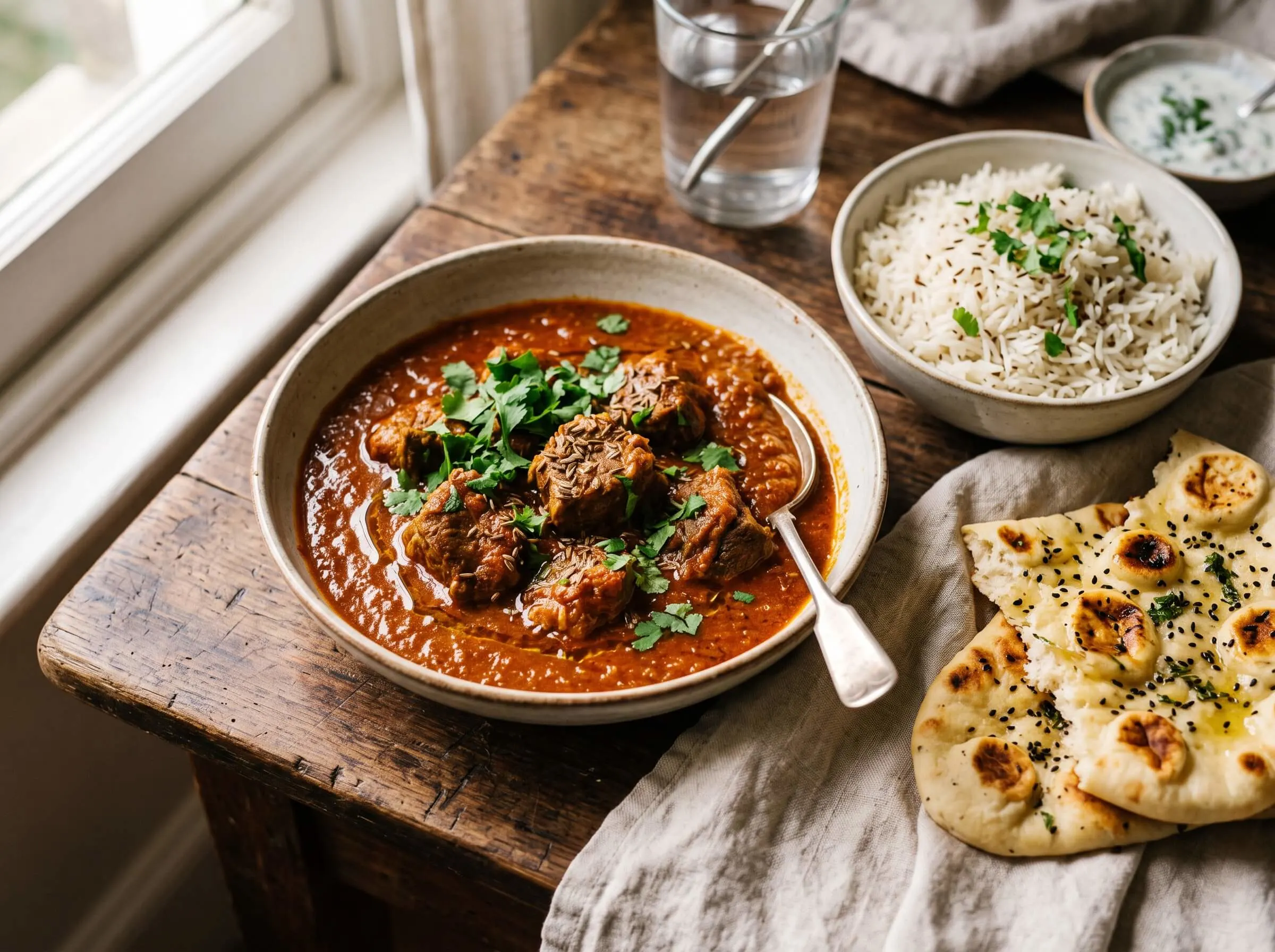
Warm naan or basmati rice are the classic pairings here, both perfect for soaking up the rich, spiced sauce.
A cooling side of raita, made from yogurt, cucumber, and a bit of mint, helps balance out the heat and richness of the curry.
A simple side of sautéed greens or a light cucumber salad adds freshness and a bit of crunch alongside the deeply spiced main dish.
How This Lamb Curry Recipe Comes Together
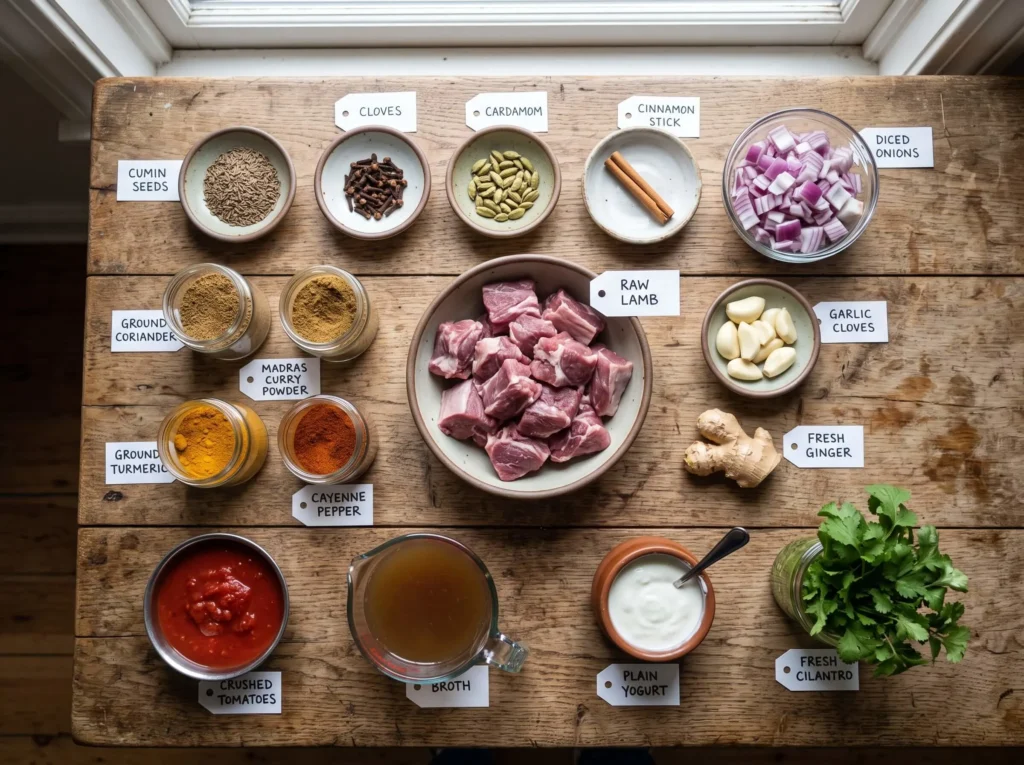
Because this is a genuinely more involved dish, it’s built in several distinct stages: browning the lamb in batches to develop flavor, building a proper spice base by blooming whole and ground spices, simmering everything together low and slow until the lamb is tender, then finishing with a final seasoning adjustment before serving. Here’s everything you’ll need.
Lamb Curry Recipe
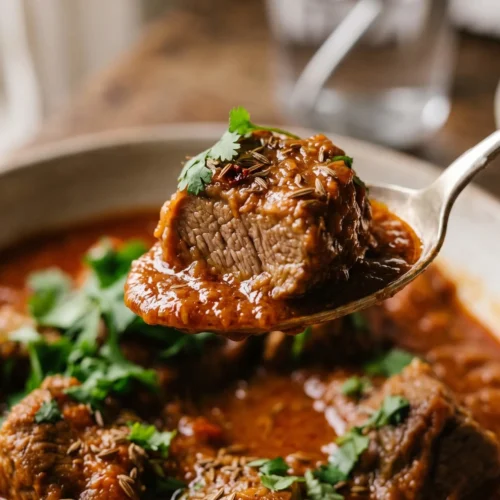
Lamb Curry Recipe

Equipment
- Large Dutch oven or heavy-bottomed pot
- Tongs
- Wooden spoon
Ingredients
Lamb
- 2½ lbs lamb shoulder trimmed and cut into 1.5-inch chunks
- 2 tbsp vegetable oil
- Salt and pepper to taste
Spice Base
- 1 tsp whole cumin seeds
- 4 whole cloves
- 3 green cardamom pods
- 1 cinnamon stick
- 2 medium yellow onions finely diced
- 5 garlic cloves minced
- 1 tbsp grated fresh ginger
- 2 tbsp ground coriander
- 1 tbsp ground cumin
- 1 tbsp Madras curry powder
- 1 tsp ground turmeric
- ½-1 tsp cayenne pepper adjust to taste
Sauce
- 1 can 14 oz crushed tomatoes
- 1½ cups beef or lamb broth
- ½ cup plain yogurt
- Fresh cilantro chopped, for garnish
Instructions
Brown the Lamb
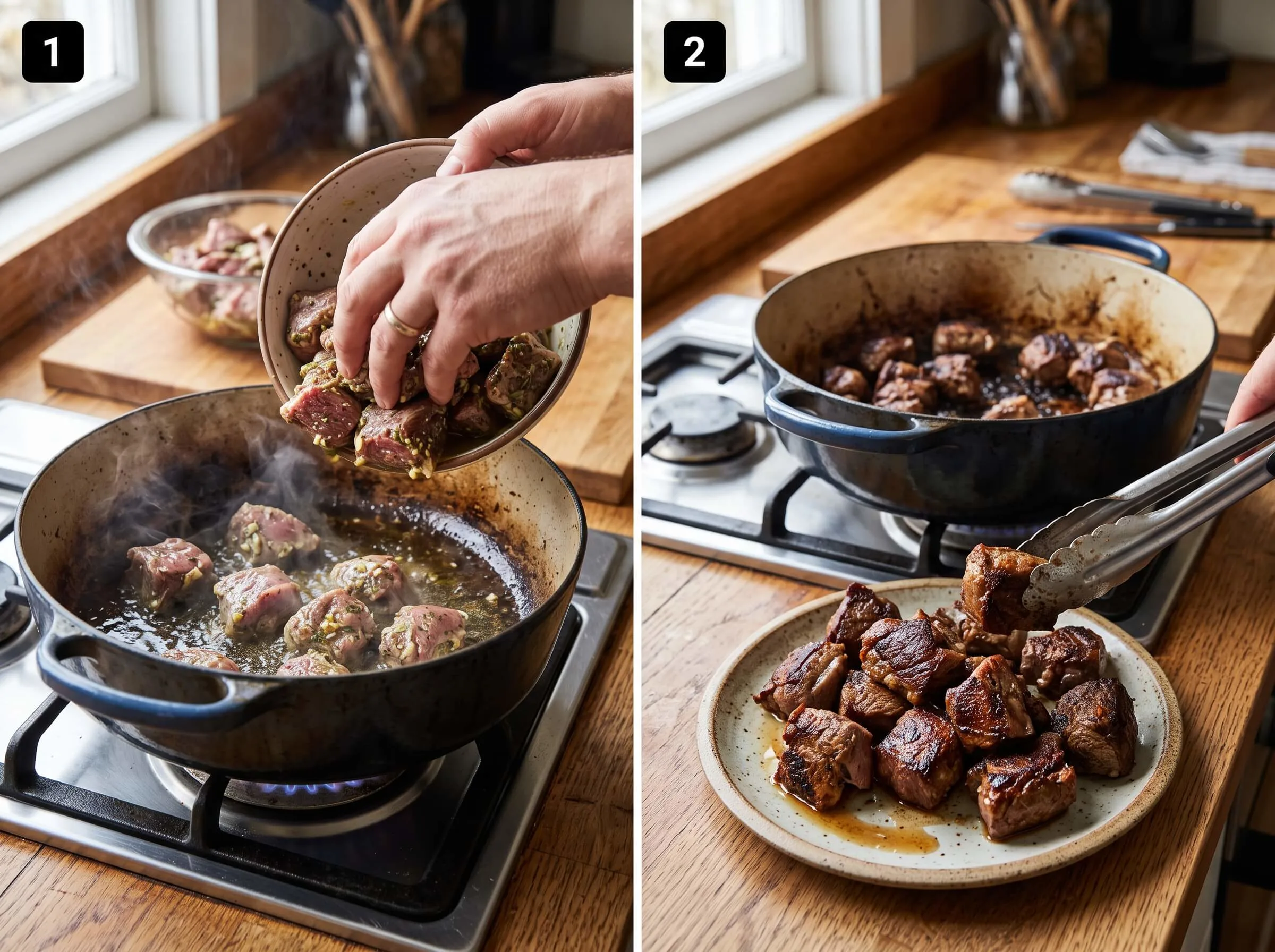
- Pat the lamb chunks dry with paper towels and season generously with salt and pepper. Heat the vegetable oil in a large Dutch oven over medium-high heat.
- Working in batches to avoid overcrowding the pot, brown the lamb on all sides, about 3-4 minutes per batch, then transfer the browned pieces to a plate and set aside. Browning in batches rather than all at once is important here, since crowding the pot causes the lamb to steam instead of developing a proper sear.
Build the Spice Base
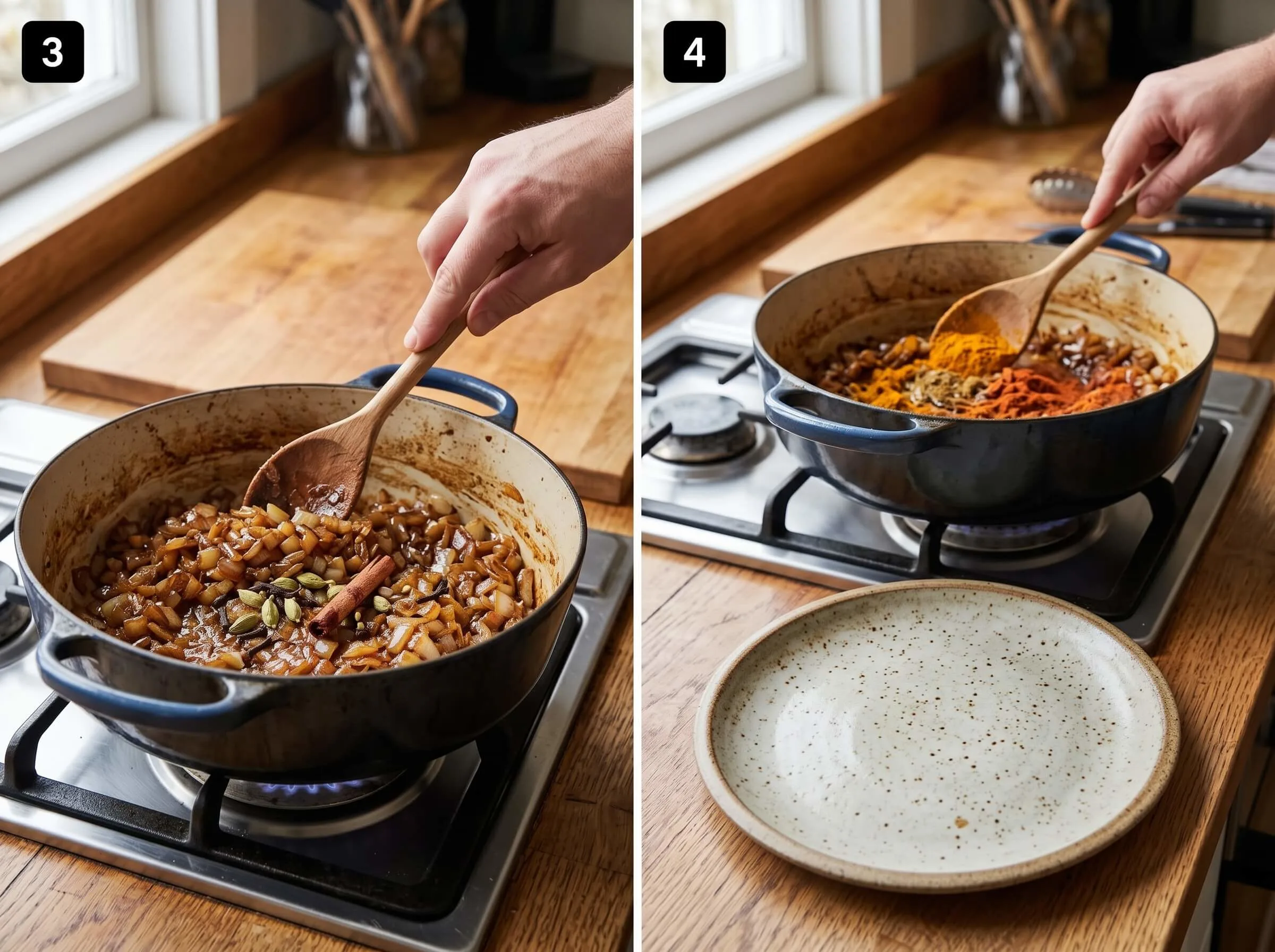
- In the same pot, add the whole cumin seeds, cloves, cardamom pods, and cinnamon stick, toasting for about 30 seconds until fragrant. Add the diced onions and cook for 8-10 minutes, stirring occasionally, until deeply golden brown, since well-caramelized onions form the backbone of the sauce's flavor.
- Stir in the garlic and ginger, cooking for 1 minute until fragrant, then add the ground coriander, ground cumin, Madras curry powder, turmeric, and cayenne pepper, stirring constantly for about 30-45 seconds to bloom the spices in the oil without letting them burn.
Simmer Low and Slow
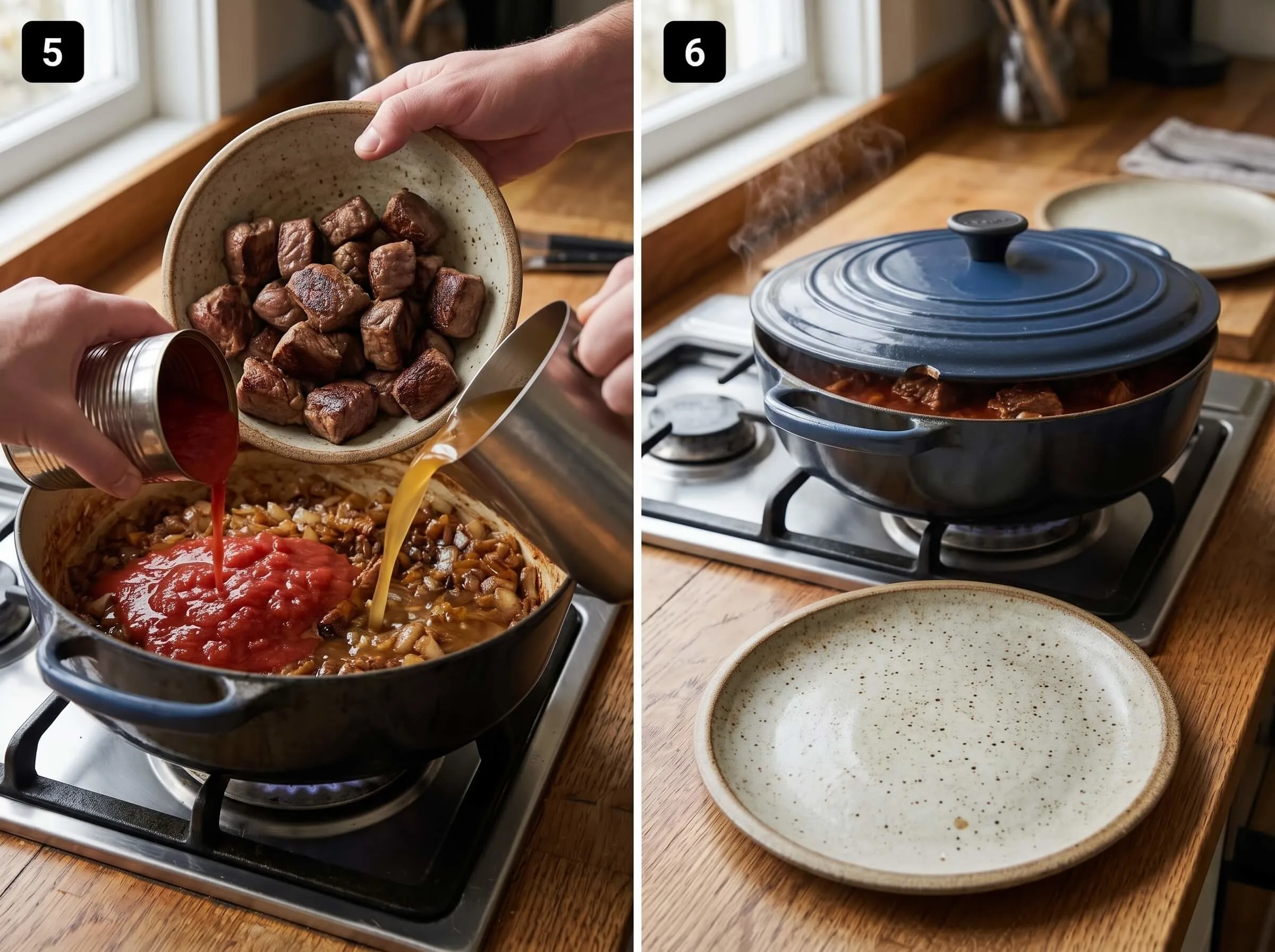
- Return the browned lamb to the pot, stirring to coat it evenly in the spice mixture. Pour in the crushed tomatoes and broth, stirring to combine and scraping up any browned bits from the bottom of the pot.
- Bring the mixture to a boil, then reduce the heat to low, cover, and simmer gently for 1.5 to 2 hours, stirring occasionally, until the lamb is completely fork-tender and easily pulls apart.
Finish the Curry
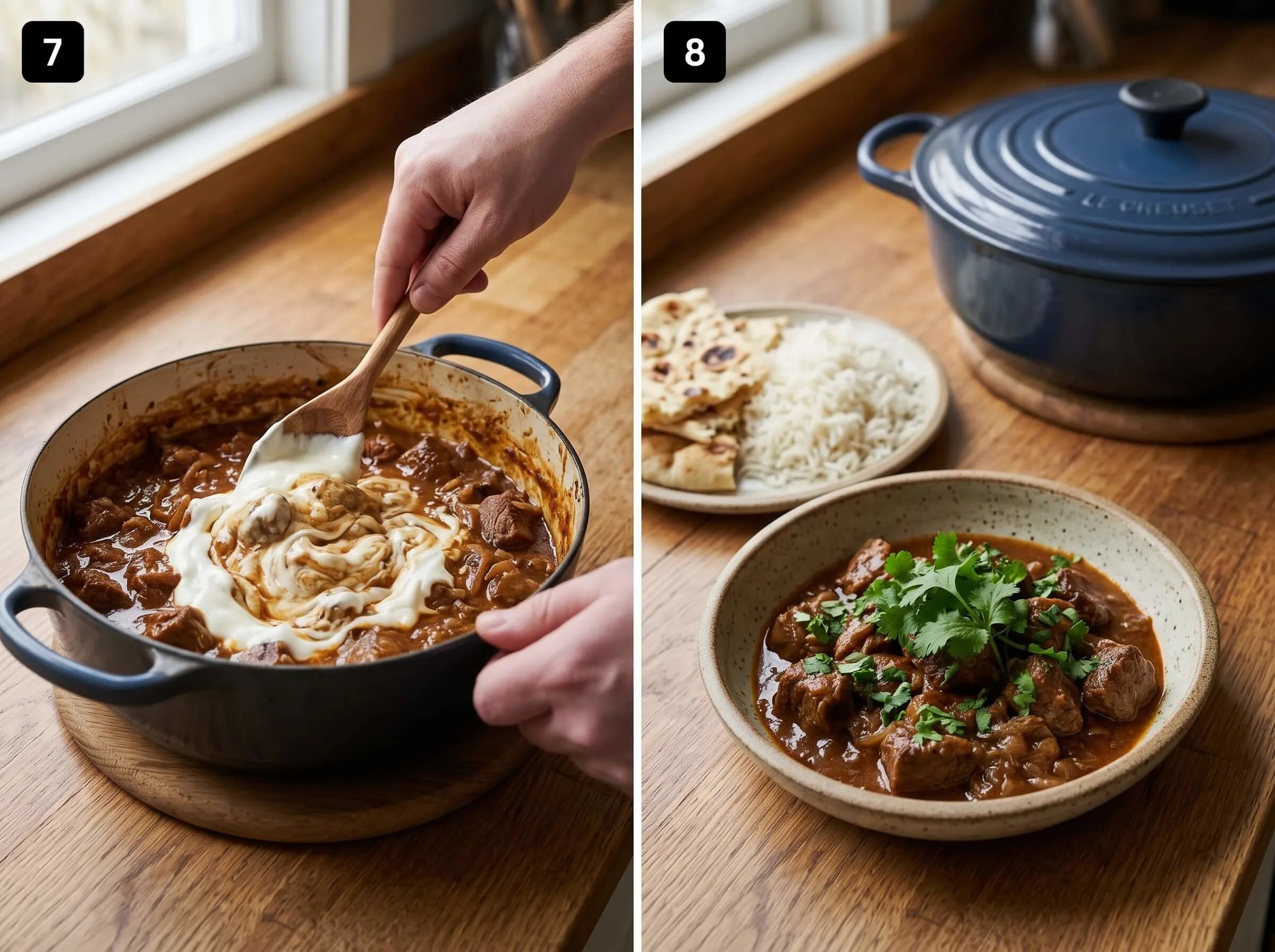
- Once the lamb is tender, remove the lid and let the curry simmer uncovered for an additional 10-15 minutes if the sauce needs to thicken further. Stir in the plain yogurt off the heat, mixing until fully incorporated into a smooth, rich sauce.
- Taste and adjust the seasoning with additional salt or cayenne pepper as needed, then garnish with fresh cilantro before serving.
Notes
- Browning the lamb in batches, rather than all at once, genuinely makes a difference in the final depth of flavor, so resist the urge to skip this step even though it takes a bit longer.
- Toasting the whole spices briefly before adding the onions helps release their essential oils, intensifying the overall flavor of the finished curry.
- Deeply caramelizing the onions is one of the most important steps in this recipe, so don’t rush past this stage even if it takes the full 8-10 minutes.
- Stirring the yogurt in off the heat, rather than while the curry is still boiling, prevents it from curdling and keeps the sauce smooth.
- This curry, like many braised dishes, tends to taste even better the next day once the flavors have had more time to meld, making it a great make-ahead option for entertaining.
Frequently Asked Questions
What’s the difference between madras curry lamb and a regular lamb curry?
Madras curry lamb typically refers to a specific regional style from South India, known for being spicier and having a deeper red color than milder curry preparations. This recipe leans toward a Madras-style flavor profile with the curry powder and cayenne pepper called for, but you can adjust the heat level up or down to match your own preference.
What’s the best cut of lamb for curry?
Lamb shoulder is widely considered one of the best cuts of lamb for curry, since it has enough connective tissue and fat to become tender and flavorful during a long braise, unlike leaner cuts like loin, which can dry out and turn tough under the same extended cooking time.
Can I make this lamb curry recipe in a slow cooker instead?
Yes, after browning the lamb and building the spice base on the stovetop as directed, you can transfer everything to a slow cooker and cook on low for 6-7 hours, or until the lamb is fully tender, which is a convenient option if you’d rather not monitor a pot on the stove for a couple of hours.
Why is my lamb curry sauce too thin?
This usually means the curry needs more time simmering uncovered to reduce and thicken. Removing the lid for the final 10-15 minutes, as directed in the recipe, allows excess liquid to evaporate, concentrating the sauce’s flavor and thickness.
Can I use a different cut of lamb for this recipe?
Lamb leg or lamb neck can both work as alternatives to shoulder, since they also contain enough connective tissue to become tender with a long braise, though cooking times may vary slightly depending on the specific cut and size of the pieces.
How spicy is this lamb curry, and can I adjust the heat?
As written, this recipe has a moderate level of heat from the cayenne pepper and Madras curry powder, but it’s easy to adjust by increasing or decreasing the cayenne pepper amount, or by using a milder curry powder if you prefer a gentler spice level throughout the dish.
Can I make this lamb curry recipe ahead of time?
Yes, this curry actually improves in flavor after a day or two in the refrigerator, as the spices have more time to meld together. It reheats well on the stovetop over low heat, with a small splash of broth added if the sauce has thickened too much while chilled.
Twists & Ideas
You Can Add
A handful of diced potatoes added along with the tomatoes and broth turns this into a heartier, more filling curry, simmering until they’re fork-tender alongside the lamb.
A cinnamon stick and a bay leaf added during the spice-blooming step deepen the aromatic complexity of the sauce even further.
A drizzle of coconut milk stirred in alongside or instead of the yogurt gives the curry a richer, slightly sweeter, and creamier finish.
Fresh chopped mint added along with the cilantro at the end brings a cooling brightness that pairs especially well with the warm spices.
You Can Replace
Bone-in lamb shoulder chops can replace boneless lamb shoulder chunks, adding extra flavor from the bone during the long braise, though the bones should be removed before serving.
Coconut milk can replace the yogurt for a dairy-free version of this lamb curry recipe, giving a slightly different but still rich and creamy finish.
Beef chuck can replace the lamb entirely if lamb isn’t available, using the same low-and-slow braising method to achieve a similarly tender result.
A milder curry powder can replace the Madras curry powder for a gentler version of this dish, without needing to change any other part of the recipe.
Recipes You May Enjoy
- Ground Beef Taco Recipe
- Mongolian Ground Beef Recipe
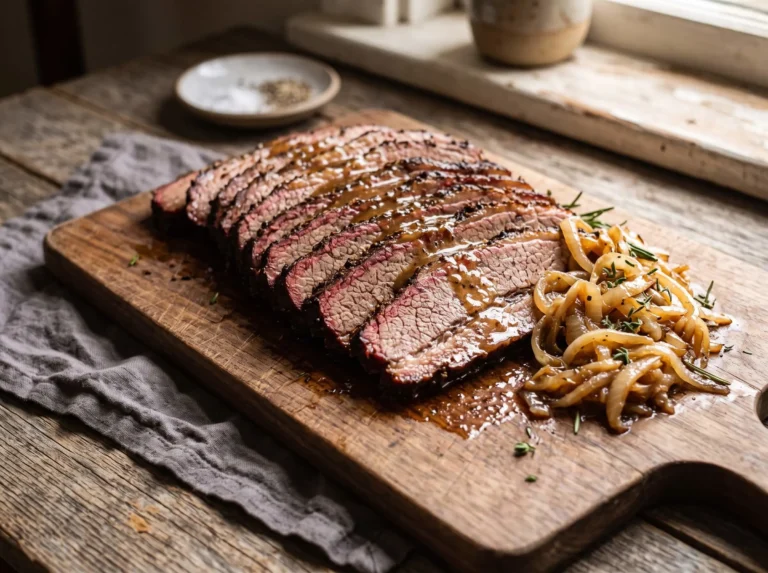
- Beef Brisket Recipe (Oven Baked)
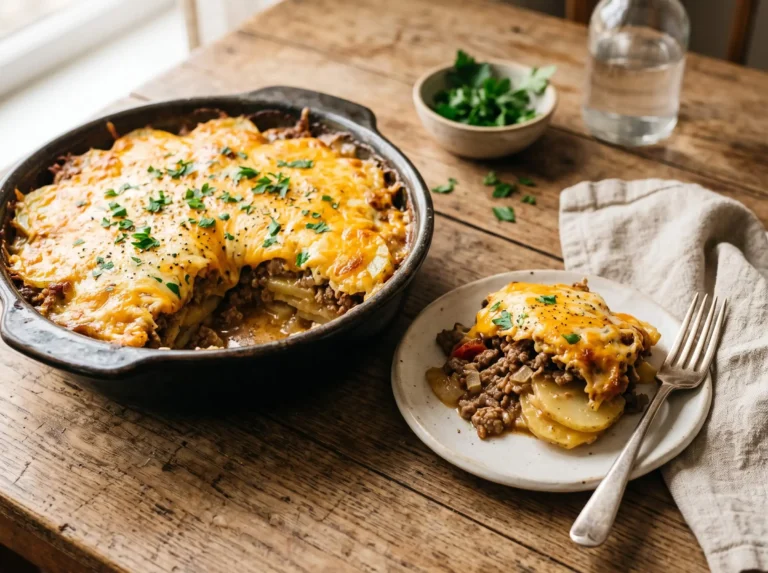
- Hamburger Potato Casserole
- She Crab Soup
- Shrimp and Corn Soup
- Sopa de Mariscos
A Curry Worth the Extra Time
Lamb curry is one of those dishes where the extra effort genuinely pays off in the final result. Between properly browning the lamb, building a deeply bloomed spice base, and letting everything simmer low and slow until fork-tender, every step here contributes to a final dish with real depth and complexity, far beyond what a rushed, shortcut version could deliver.
Whether you’re making this recipe for a special weekend dinner, exploring different lamb dishes recipes for the first time, or specifically chasing that bold, spicy madras curry lamb flavor, this version is built to reward the time it takes. Once you’ve gone through the process once, the technique becomes second nature, and you’ll likely find yourself reaching for this recipe any time you want a genuinely impressive, deeply flavorful dinner.
Tried This Recipe? Leave a Review!
There are no reviews yet. Be the first one to write one.