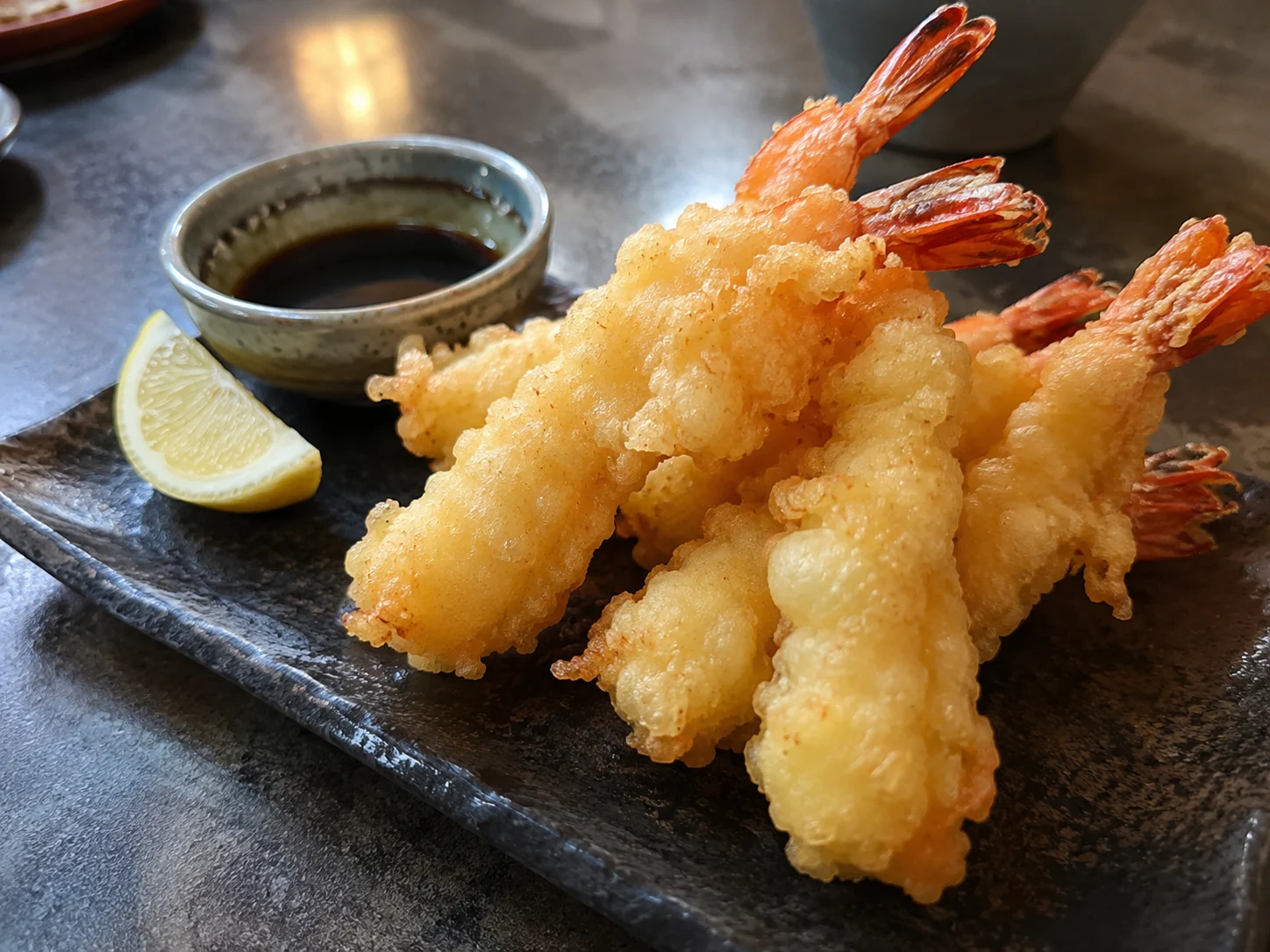
Tempura Shrimp Recipe
Table of Contents
A Restaurant Classic You Can Make at Home
If you’re searching for a reliable tempura shrimp recipe, this is the one worth saving. Tempura as a cooking method actually has roots outside Japan most food historians trace it back to Portuguese missionaries in the 16th century, a history detailed in this overview of tempura’s origins, before it was refined into the light, delicate technique associated with Japanese cooking today.
What makes a good tempura batter come down almost entirely to temperature and technique rather than any special ingredient. Keeping the water genuinely ice cold slows gluten development in the flour, and the science behind why cold liquid affects gluten formation is the same reason overworked, warm batters turn out heavy and bread-like instead of light and lacy.
Shrimp itself is also a smart choice for this style of frying. It’s naturally low in fat and a solid source of protein, and the nutritional profile of shrimp laid out by the USDA shows why it holds up so well against a light, crisp coating instead of needing anything heavier to feel satisfying.
The egg yolk in the batter is doing more than just adding richness. Egg yolks contain lecithin, a natural emulsifier, and a breakdown of lecithin’s role in cooking explains why a small amount helps bind a thin batter together without making it dense.
Frying at the right oil temperature matters just as much as the batter itself. Oil that’s too cool soaks into the coating and leaves it greasy, while oil that’s too hot burns the outside before the inside cooks through, a balance the FDA’s guidance on frying and oil temperature touches on from a food safety angle as well.
Even the shrimp itself needs a little attention before it ever meets the batter. Handling raw shellfish properly, from thawing to storage, is worth understanding regardless of what recipe you’re following, and the FDA’s seafood handling guidance is a solid reference for getting that part right.
Why You’ll Love This Recipe
Fresh shrimp gives this tempura a natural sweetness and satisfying bite that holds up well against the crisp coating. The batter itself stays incredibly light thanks to ice cold water and minimal mixing, which is what gives tempura its signature lacy, delicate crunch instead of a heavy, bready shell.
Everything comes together in a single bowl, with no complicated breading stations, multiple dredging steps, or advanced frying skills required.
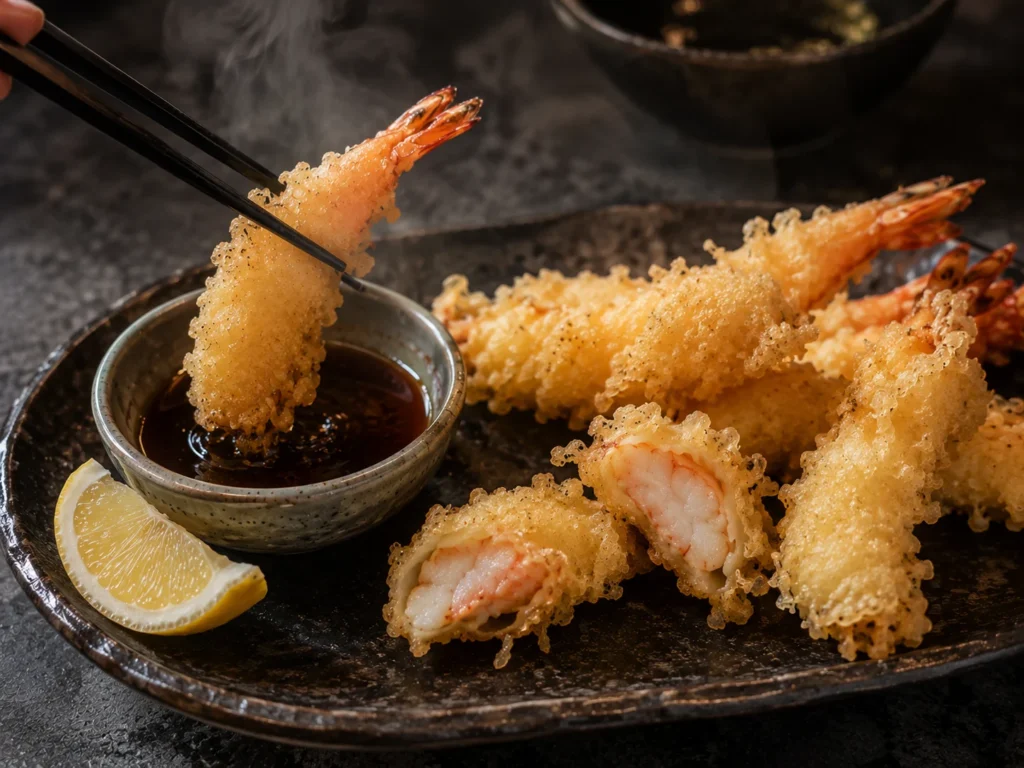
This recipe for shrimp tempura works equally well as an appetizer, a topping for rice or noodles, or the centerpiece of its own plate with dipping sauce on the side.
A simple soy based dipping sauce finishes things off with just enough savory depth to complement the shrimp without overpowering it.
What to Serve With Tempura Shrimp
A bowl of steamed rice is one of the simplest pairings, soaking up any extra dipping sauce and balancing the richness of the fry.
A cold cucumber salad on the side adds a refreshing contrast to the hot, crispy shrimp.A bowl of miso soup rounds things out if you’re leaning into a more traditional Japanese-style meal. Chilled soba or udon noodles make for a light, satisfying combination, especially in warmer months.
If you’re planning a bigger spread, tempura shrimp also works well as a starter before a heartier main like Marry Me Chicken with Sun-Dried Tomatoes.
How This Tempura Shrimp Recipe Comes Together
The shrimp themselves need to be completely dry before they ever touch the batter, since any leftover moisture on the surface will cause the coating to slide right off in the hot oil.
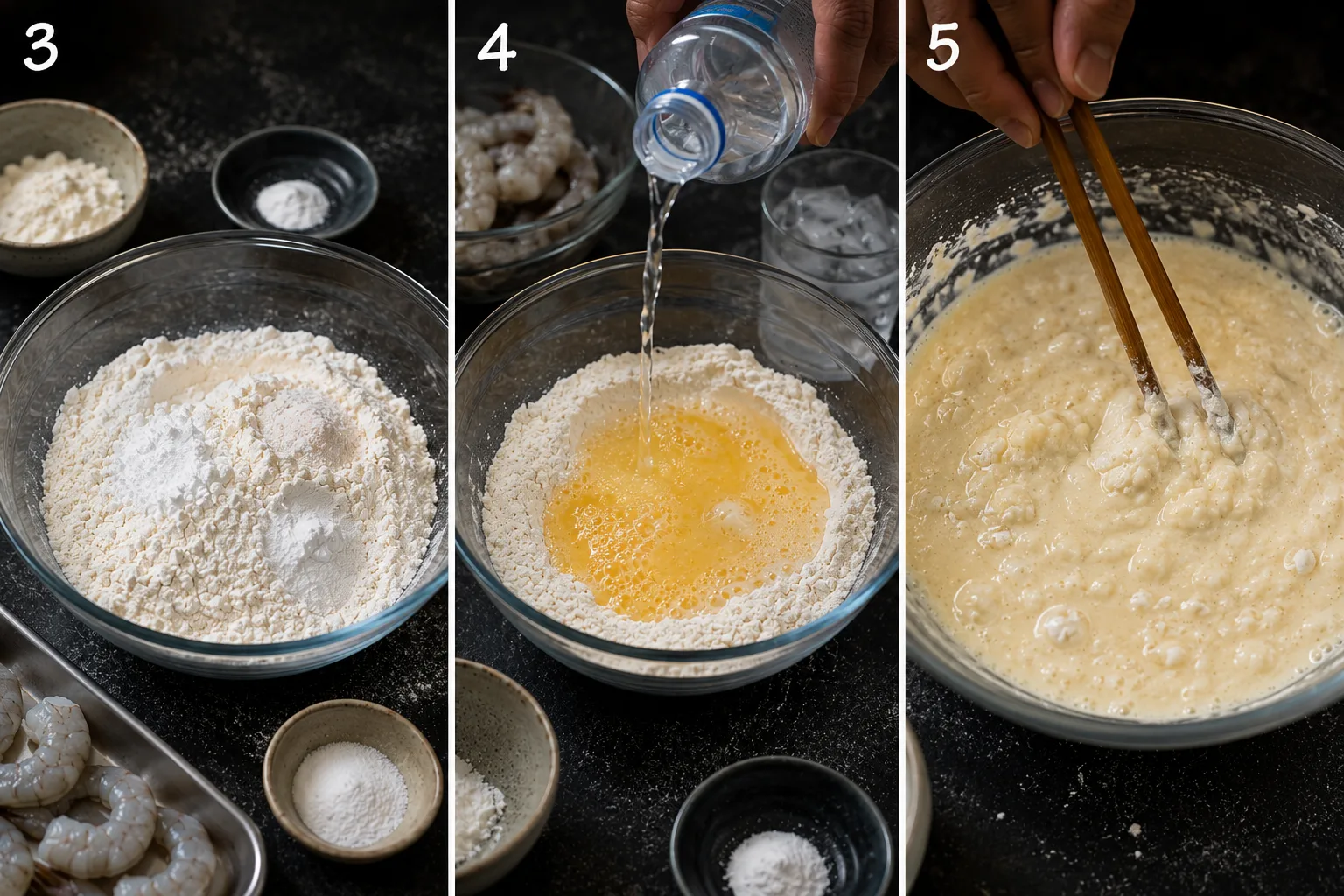
The batter is deliberately left a little lumpy. Overmixing develops gluten in the flour, which is exactly what turns a light, crisp tempura coating into something dense and chewy instead.
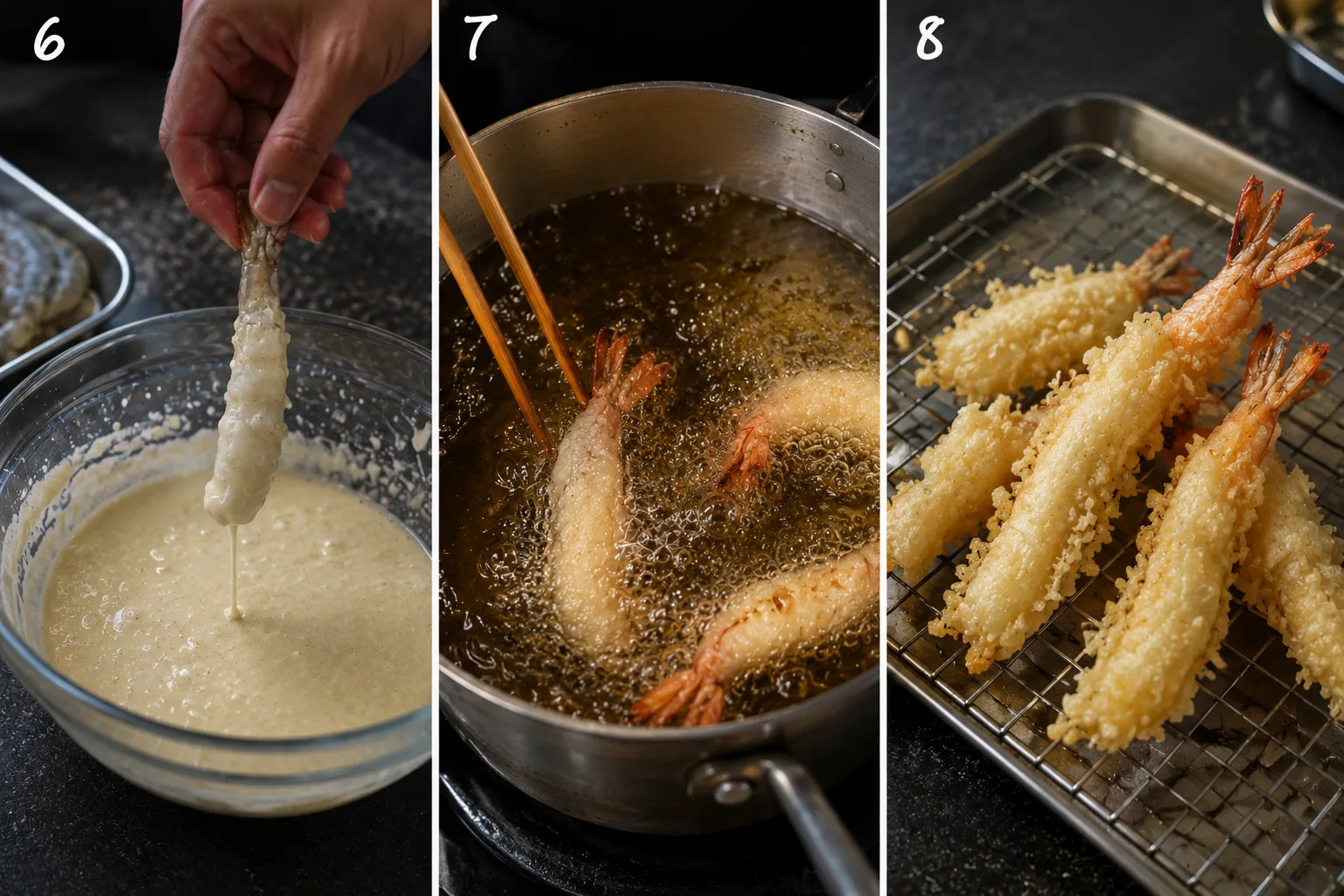
Frying in small batches keeps the oil temperature steady, which is one of the most overlooked steps in getting an even, non-greasy fry across every piece of shrimp.
Tempura Shrimp Recipe
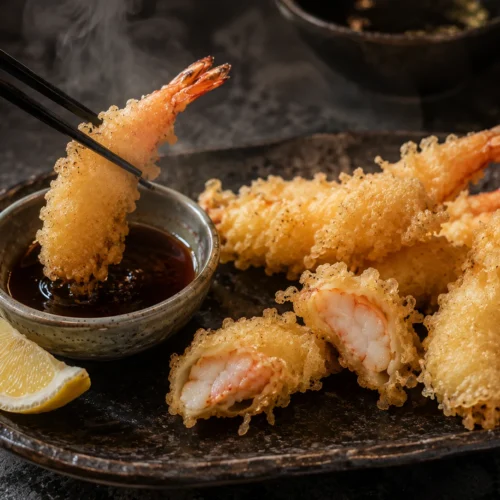
Tempura Shrimp

Equipment
- Mixing bowls
- chopsticks or whisk
- deep pot or heavy skillet
- thermometer
- wire rack
- paper towels
Ingredients
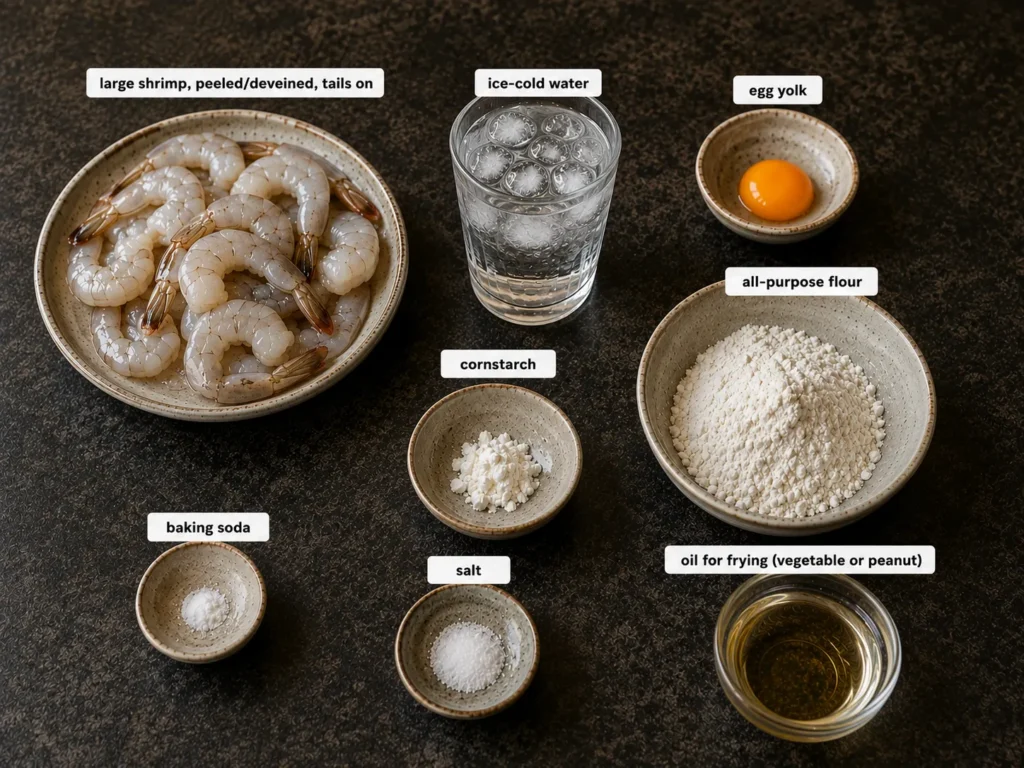
- 12 large shrimp peeled and deveined, tails left on
- 1 cup ice cold water
- 1 egg yolk
- 1 cup all-purpose flour
- 1 tablespoon cornstarch
- Pinch of baking soda
- Oil for frying vegetable or peanut
- Salt to taste
Instructions
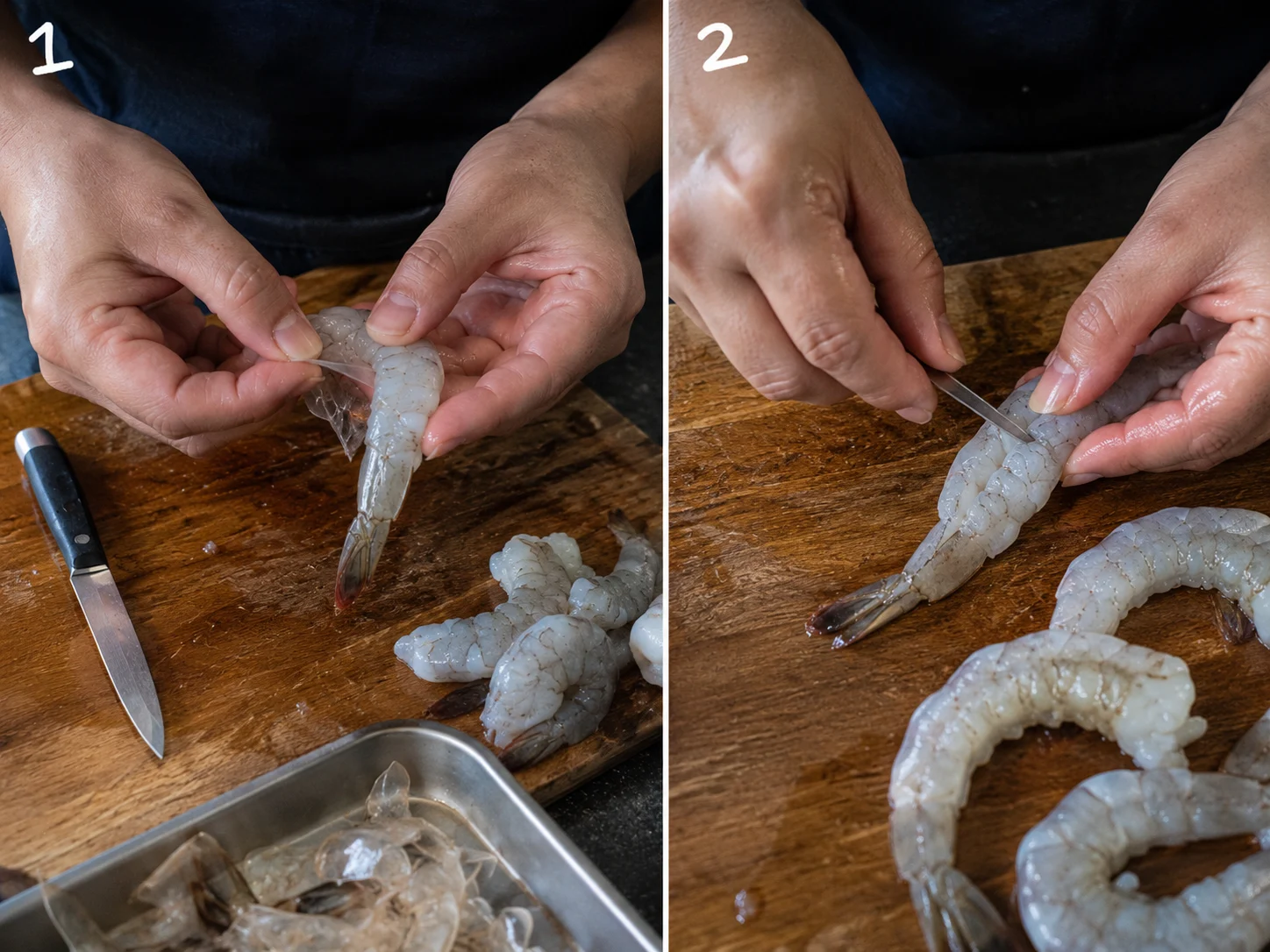
- Prep the ShrimpPeel the shrimp, leaving the tails on, then devein each one with a small paring knife. Pat the shrimp completely dry with paper towels to help the batter adhere properly during frying.
- Make the Tempura BatterWhisk together the flour, cornstarch, and baking soda in a large bowl. Pour in the ice cold water and egg yolk, then stir gently with chopsticks just until combined, leaving a few lumps in the batter.
- Fry and ServeHeat oil in a deep pot to 350°F. Dip each shrimp into the batter, letting the excess drip off, then carefully lower it into the hot oil.Fry in small batches for 2 to 3 minutes, turning occasionally, until golden and crisp, then transfer to a wire rack to drain before serving hot with dipping sauce.
Notes
- Keep the water ice cold and don’t overmix the batter, since a few lumps are normal and help keep the tempura light.
- Fry in small batches to keep the oil temperature steady, and use a thermometer if you have one for the most consistent results.
- Serve immediately for the crispiest texture.
Frequently Asked Questions
Is this the best recipe for shrimp tempura for beginners?
Yes, this version is designed to be approachable even for someone who has never made tempura before. The batter comes together in a single bowl with no special equipment beyond a thermometer, and the technique stays forgiving as long as the water stays cold and the oil holds its temperature throughout frying.
Can I use frozen shrimp instead of fresh?
Yes, frozen shrimp works well as long as it’s fully thawed and patted very dry before battering. Any leftover moisture on the surface will cause the batter to slide off or make the oil spatter more than usual, so it’s worth taking an extra minute to blot each piece thoroughly with paper towels.
Why did my tempura turn out heavy instead of light and crispy?
This usually comes down to either an overmixed batter or water that wasn’t cold enough to begin with. A few visible lumps in the batter are actually a good sign, since overworking it develops gluten in the flour and leads to a denser, chewier coating rather than the light, airy texture you’re after.
Can I make the batter ahead of time?
It’s best to mix the batter right before frying, since it starts to lose its lightness the longer it sits. If you want to get ahead, measure out the dry ingredients in advance and keep the water and egg yolk chilled separately until you’re ready to combine everything.
Can I skip the egg yolk?
You can, though the yolk adds richness and a bit of structure to the batter. Simpler tempura batters sometimes skip it entirely and rely on just ice water and flour, which still produces a crisp, slightly thinner coating.
How do I store leftover tempura shrimp?
Tempura tastes best eaten immediately, since the coating softens fairly quickly once it cools. If you do end up with leftovers, store them uncovered in the refrigerator for up to a day and reheat in a hot oven or air fryer rather than a microwave, which will help bring some of the crunch back.
Can I use this batter for other ingredients?
Yes, this same batter works well with vegetables like sweet potato, zucchini, or green beans, along with other proteins like white fish. Just make sure to slice thicker vegetables evenly so everything cooks through in about the same amount of time it takes the batter to turn golden.
Recipes You May Enjoy
- Salmon Marinade for Pan-Seared Salmon
- Cajun Catfish with Roasted Baby Potatoes
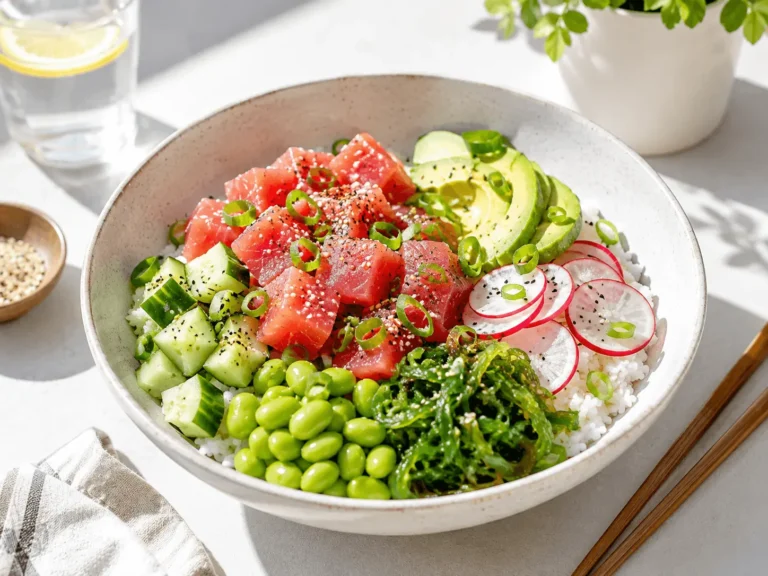
- Tuna Poke Bowl
- Chicken and Cheese Taquitos
- Smoked Meatloaf
- Tuna Salad Recipe with Egg
- Chinese Chicken Salad
A Recipe Worth Frying Again and Again
What stands out most about this tempura shrimp recipe is how something this simple can feel so special. A single bowl of batter, a handful of fresh shrimp, and a hot pot of oil come together into something that tastes like it belongs on a restaurant menu, yet it’s entirely achievable at home with basic ingredients and a little attention to detail.
This shrimp tempura recipe rewards a little patience more than it rewards any special skill. Keeping the batter cold and working in small batches while frying makes a bigger difference than any single ingredient in the bowl.
Tried This Recipe? Leave a Review!
There are no reviews yet. Be the first one to write one.